A profit and loss statement is a critical tool for anyone managing their finances, whether for a small business or personal budgeting. You can easily find a free printable profit and loss statement online that you can download and use right away. This resource can help you gain insights into your financial health, track income and expenses, and make informed decisions based on your data.
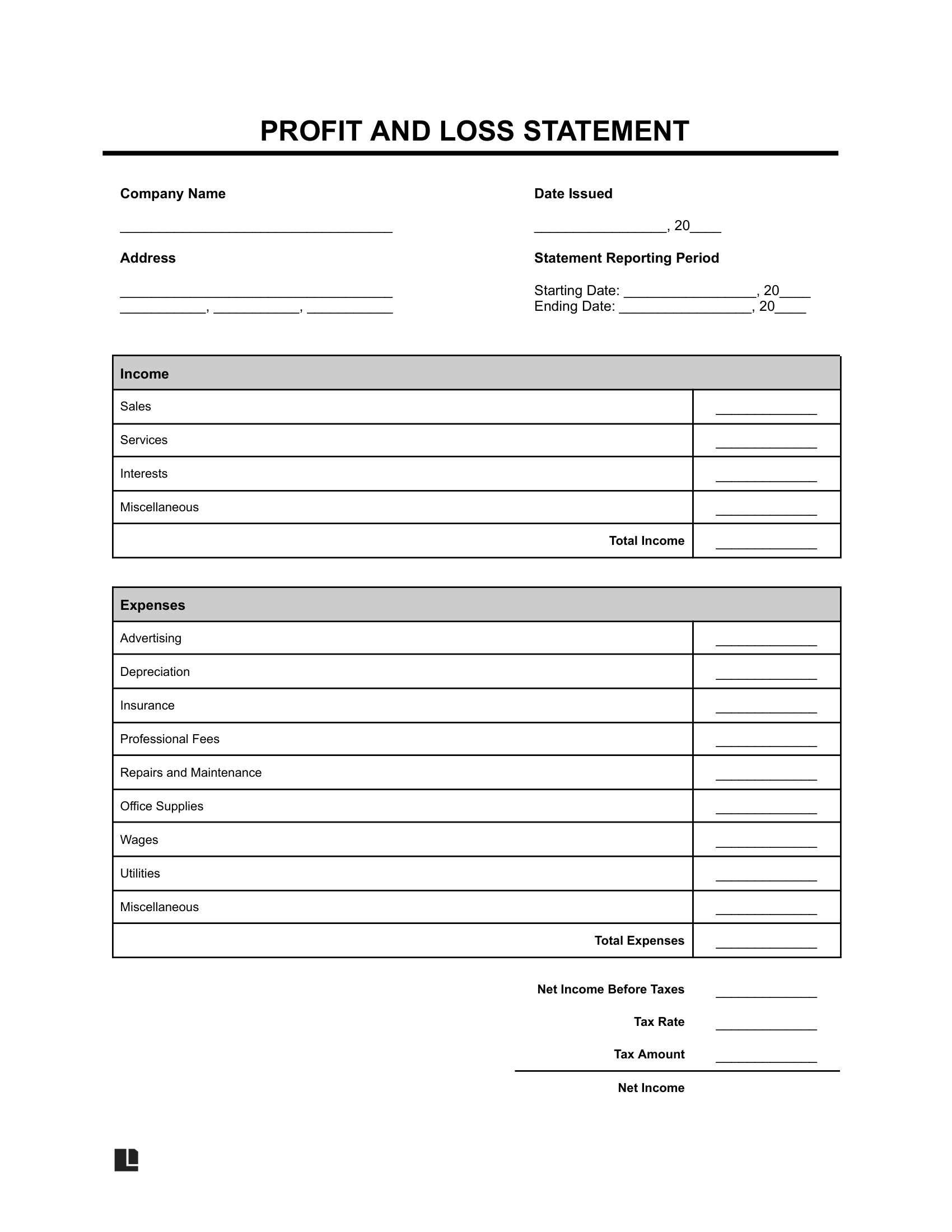
How to Find a Free Printable Profit and Loss Statement
The first step is to locate a reliable source where you can download the profit and loss statement. Many websites offer free templates that are easy to customize. Look for options that provide the statement in PDF or Excel format, as these are typically user-friendly. PDF versions maintain formatting, ensuring everything prints correctly, while Excel allows for easy calculations and adjustments.
When searching, consider using terms like “free printable profit and loss statement online” in your search engine. This will lead you to a variety of templates tailored to different needs. Make sure to check the reviews or ratings of the templates to ensure they are well-designed and functional.
Downloading and Printing Your Statement
Once you’ve selected your preferred template, the next step is downloading it. Most sites will offer a simple download button; click it, and the file should save to your device. If you chose an Excel file, open it to verify that the formulas are intact. This is vital because it allows the document to calculate totals automatically as you fill in your income and expenses.
When it comes to printing, use standard letter-size paper (8.5” x 11”). If you’re using a PDF, adjust your printer settings to ensure it prints in high quality. Make sure to select the correct paper type in your printer settings—most home printers work best with plain paper for this purpose.
Setting Up Your Profit and Loss Statement
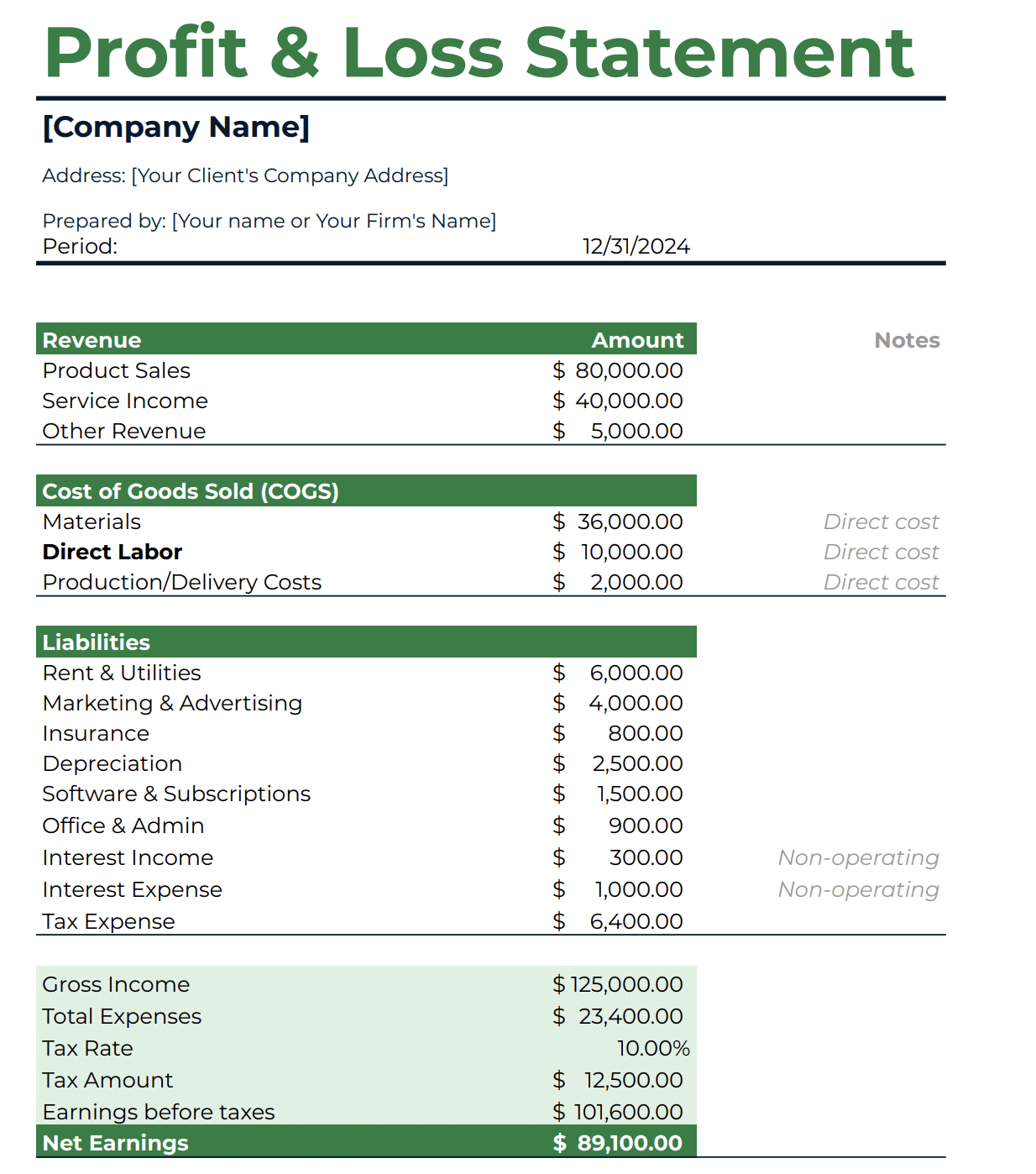
Before you start using your profit and loss statement, take a moment to familiarize yourself with its sections. Typically, these statements include:
- Revenue: Total income generated from sales or services.
- Cost of Goods Sold (COGS): Direct costs attributable to the production of the goods sold.
- Gross Profit: Revenue minus COGS.
- Operating Expenses: Overhead costs that are not directly tied to production (e.g., rent, utilities).
- Net Profit: Gross profit minus operating expenses.
Begin by filling in your revenue figures for the period you are analyzing. This could be monthly, quarterly, or annually, depending on what makes sense for your situation. Next, input your COGS. This helps you understand how much you’re spending to generate your income.
Tips for Using Your Statement Effectively
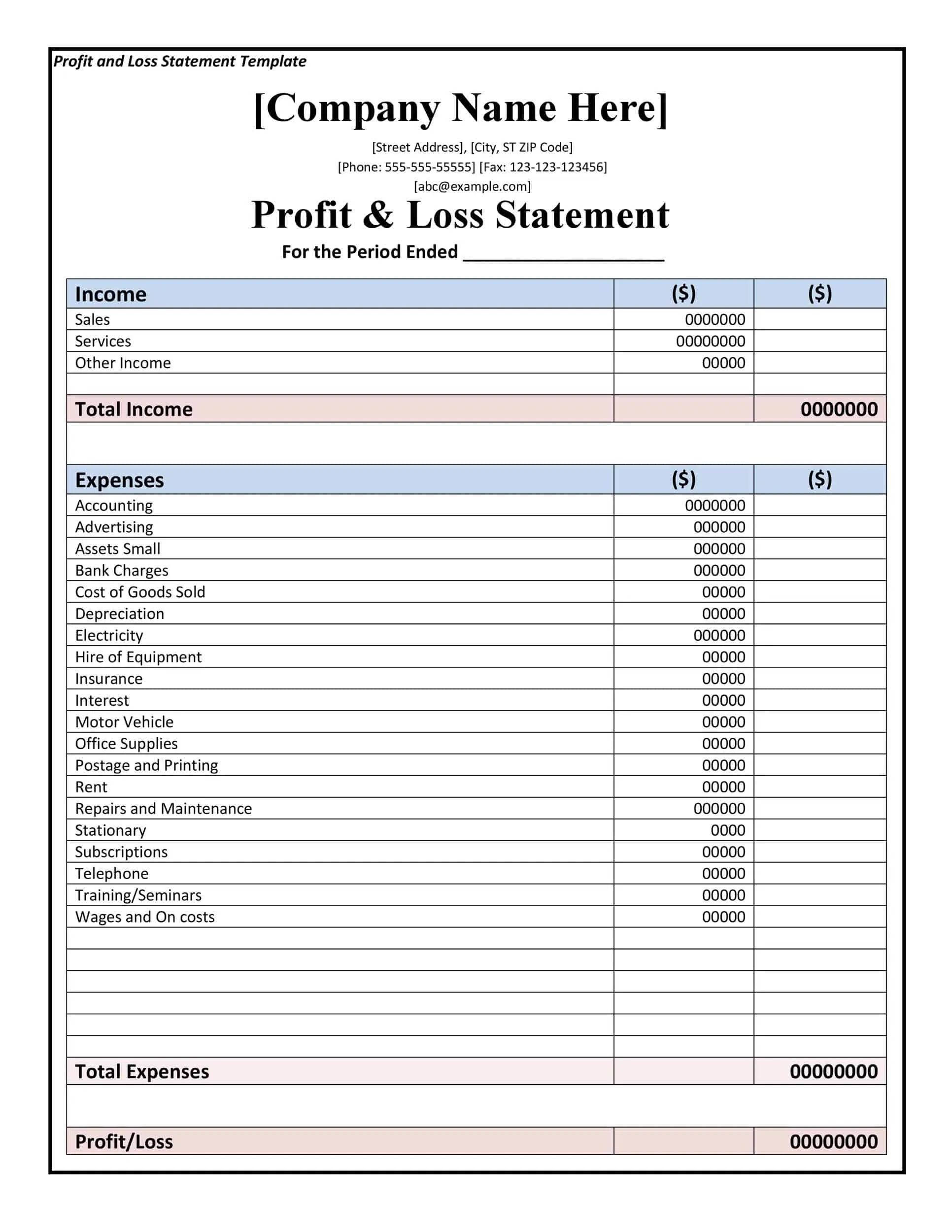
Once your statement is filled out, regularly review it to track your financial progress. This can be a monthly routine where you take a few minutes to update your numbers and analyze trends. You might notice patterns, such as increased expenses in certain months, which can help you plan better for the future.
Consider using color coding to highlight key areas, like expenses that exceed your budget or revenue spikes. This visual cue can make it easier to spot trends at a glance.
Lastly, save your completed statements in a secure location, ideally in both physical and digital formats. This will make it easier to reference past statements when preparing for taxes or assessing your financial growth over time.
Having a free printable profit and loss statement online at your fingertips can significantly streamline your financial management process. It’s an invaluable resource that can help you stay organized and make informed decisions about your finances. And remember, the more consistently you use this tool, the clearer your financial picture will become.