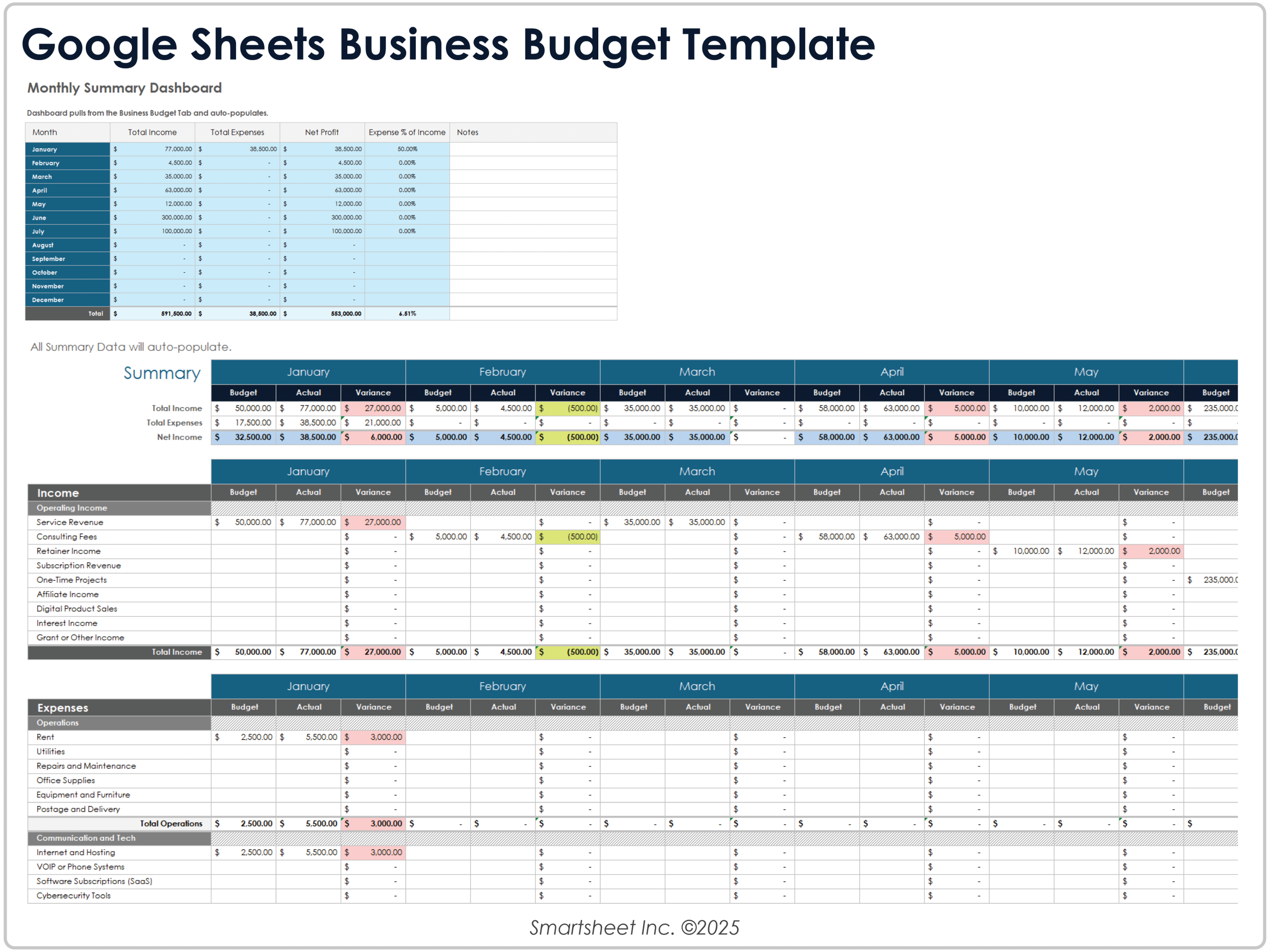
Managing a budget can often feel overwhelming, especially when you’re juggling family expenses, kids’ activities, and daily necessities. A Business Budget Free Google Sheets Template can simplify this process, allowing you to track your income and expenses efficiently. In this article, I’ll guide you through how to use this template effectively, ensuring you make the most of your financial planning.
Getting Started With the Template
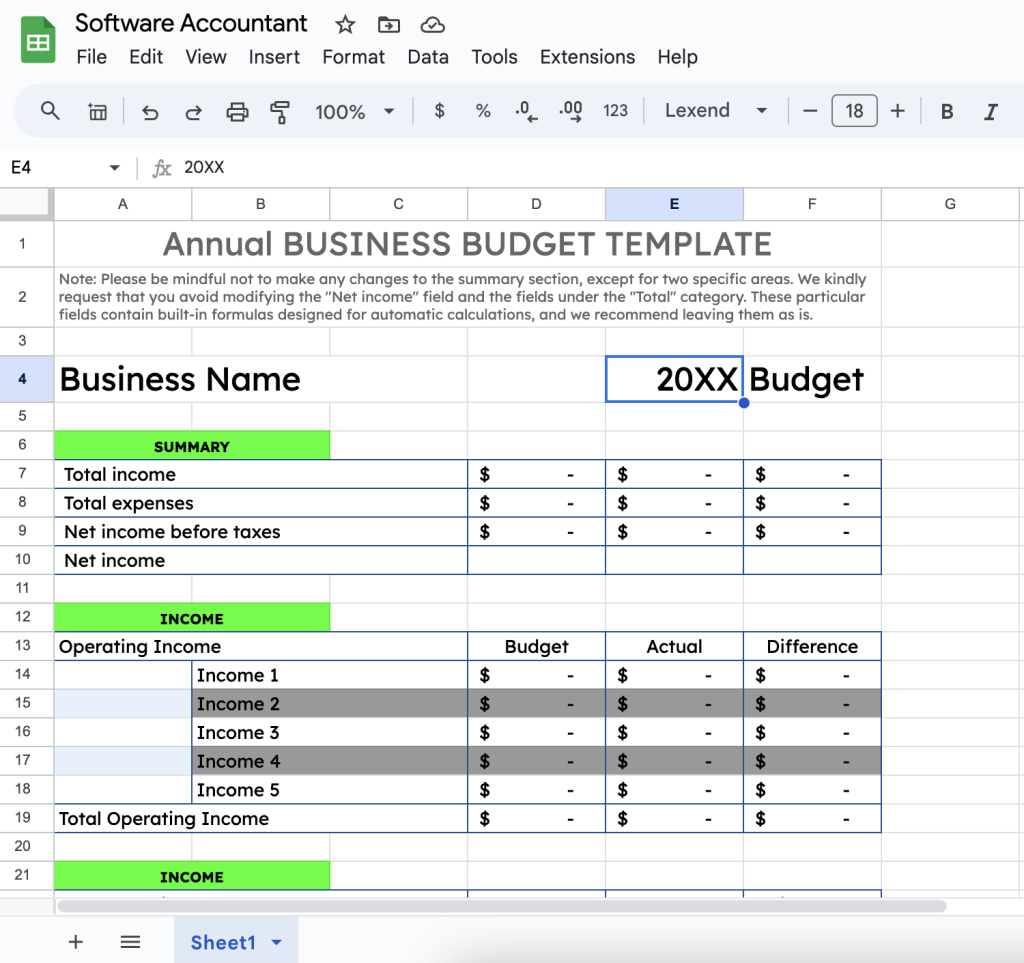
First things first, you’ll want to download the Business Budget Free Google Sheets Template. It’s typically available in a simple format that’s easy to use. Once you have it downloaded, open it in Google Sheets. If you’re not familiar with Google Sheets, it’s a free, web-based application that allows you to create and manage spreadsheets.
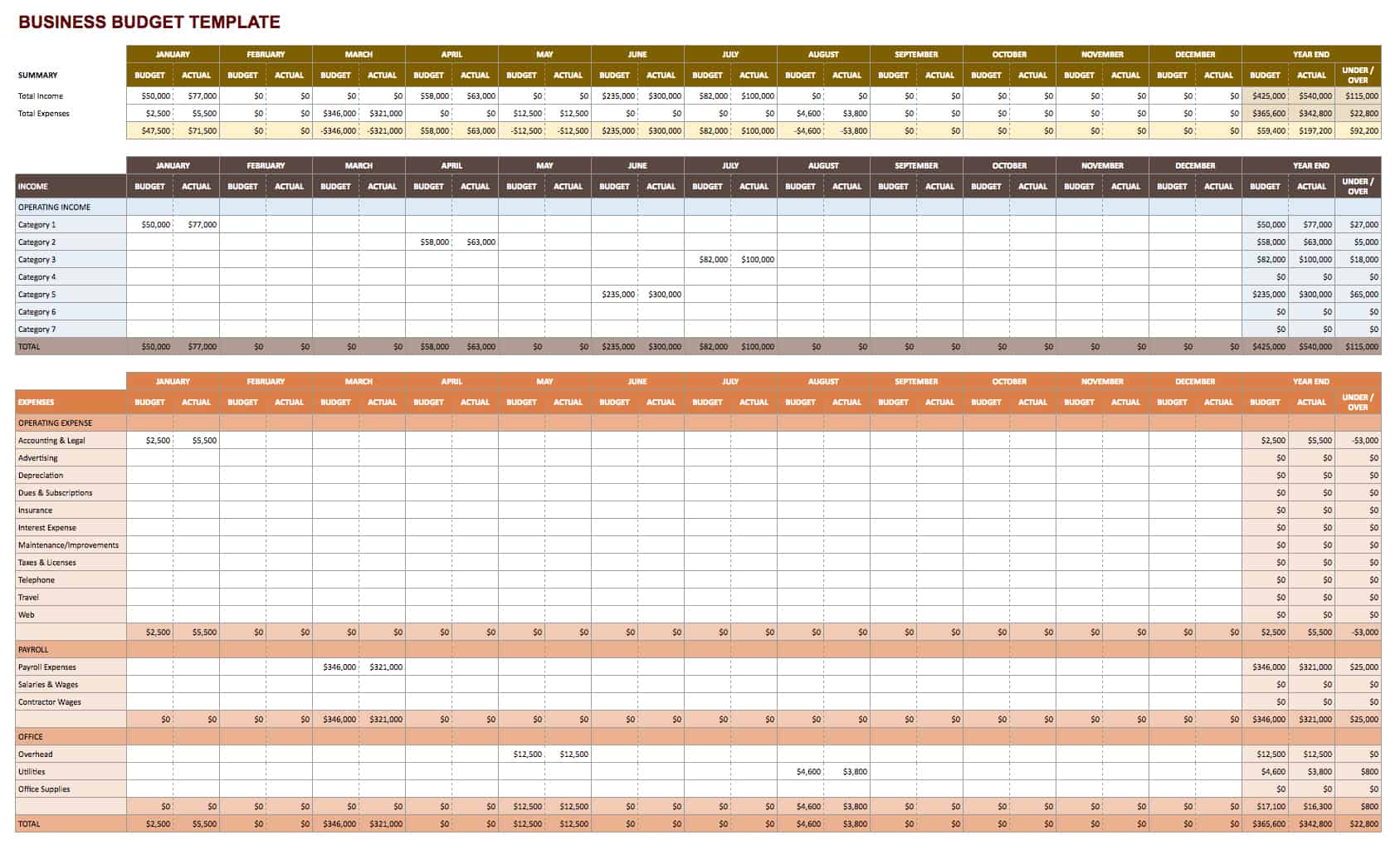
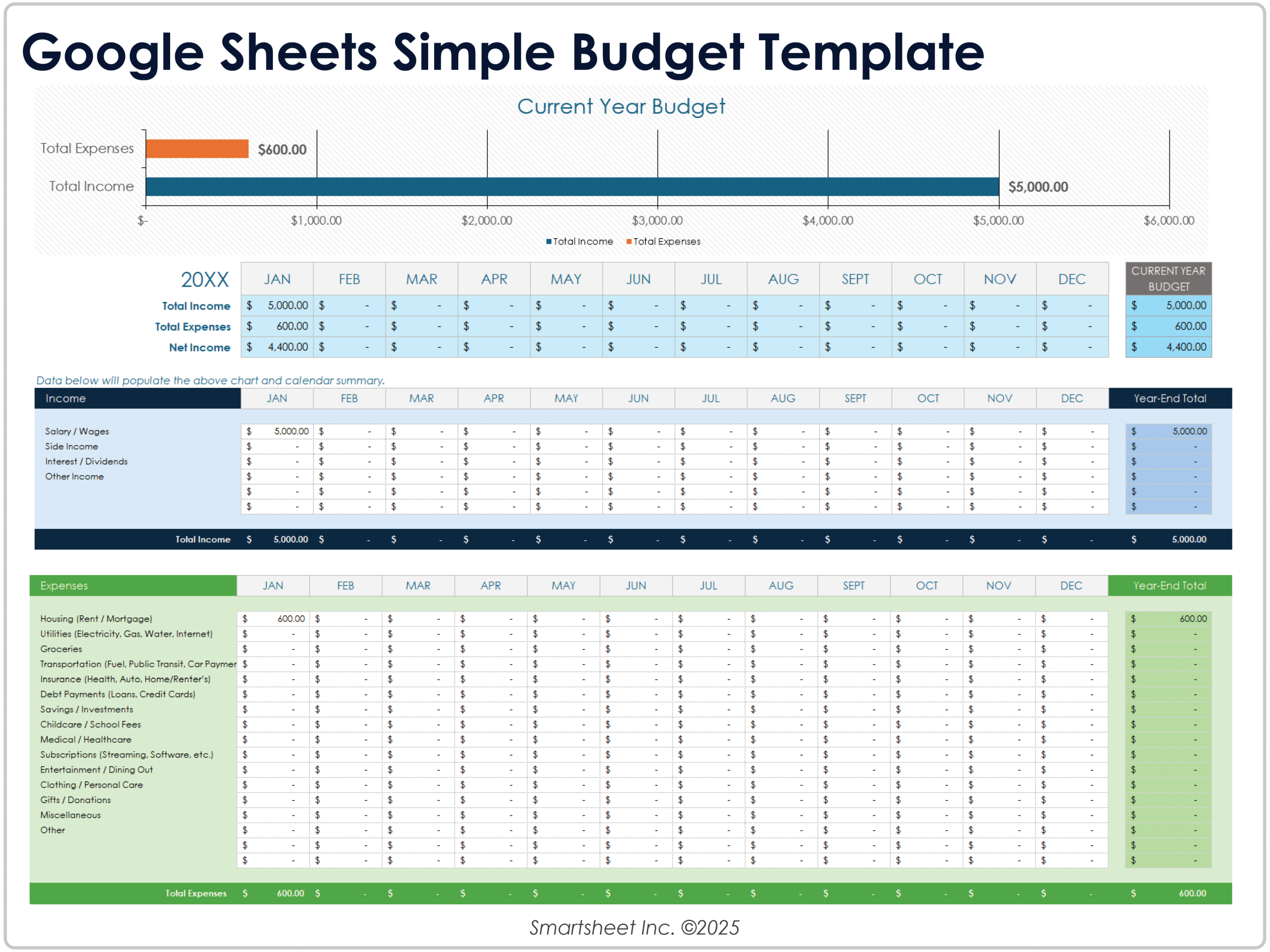
To make the most of this template, you should familiarize yourself with its layout. Most templates will have categories for income, fixed expenses, variable expenses, and savings. Understanding these sections is crucial as they will guide your financial tracking.
Inputting Your Income and Expenses
Now that you have the template open, let’s get into the nitty-gritty of filling it out. Begin by entering your income sources. This could include your salary, freelance work, or any other money that comes in. Make sure to enter these amounts accurately, as they form the foundation of your budget.
Next, you’ll want to move on to your fixed expenses. These are costs that don’t change month-to-month, like rent or mortgage payments, insurance, and subscriptions. It’s important to be thorough here. If you’re unsure about the exact amounts, check your previous bills or bank statements to get the most accurate figures.
After fixed expenses, it’s time to list your variable expenses. These can include groceries, dining out, entertainment, and other discretionary spending. This part can be a bit tricky since these expenses fluctuate. To get a clear idea, look back at your spending habits over the last few months.
Organizing Your Budget Effectively
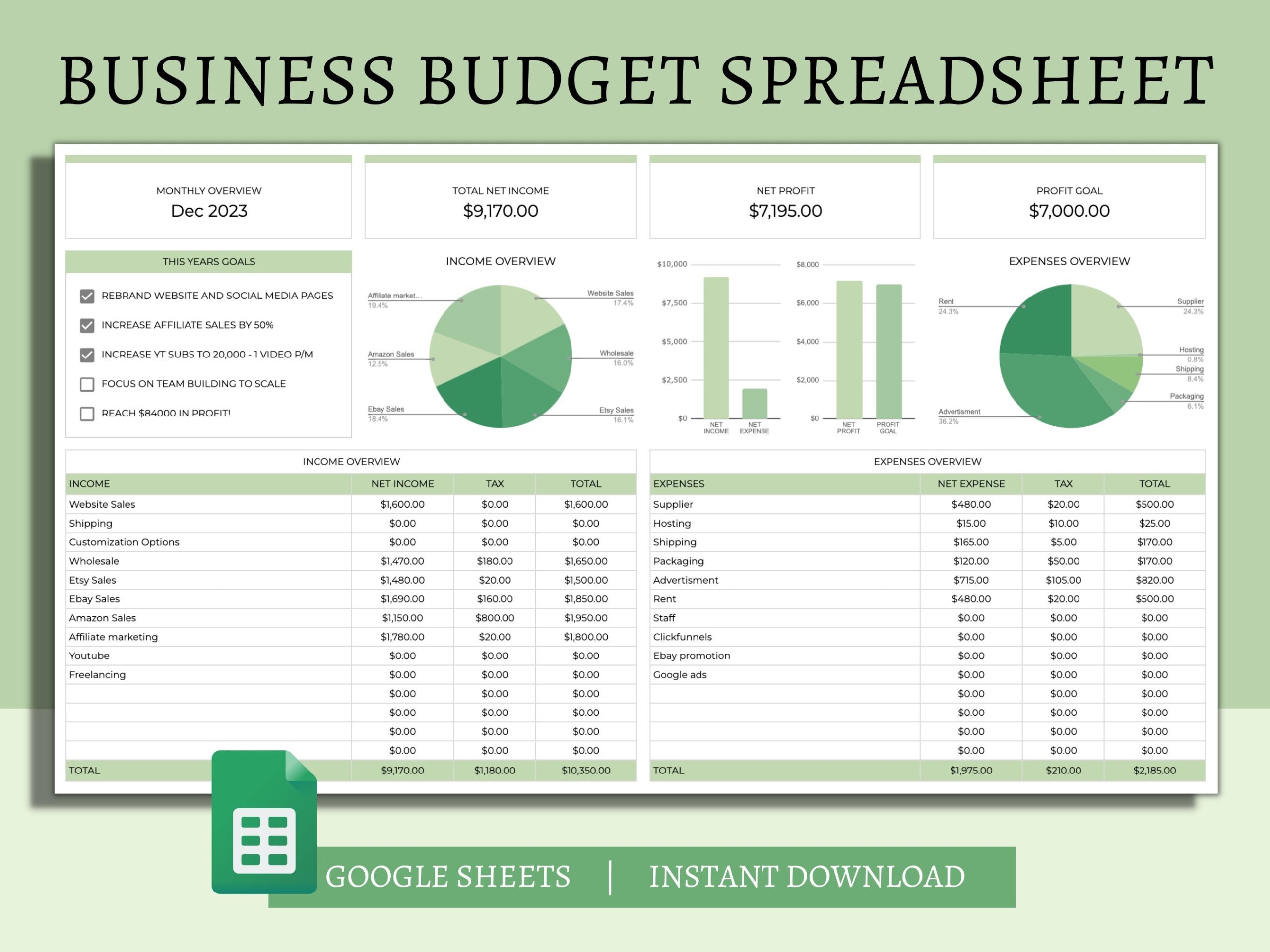
Once you’ve entered all your income and expenses, take a step back and review the totals. Google Sheets will automatically calculate your total income and expenses, giving you a clear overview of your financial situation. This is where the magic happens!
Now, let’s talk about categorizing your expenses. A good practice is to color-code different categories to easily identify where your money is going. For example, you might use green for income, blue for fixed expenses, and red for variable expenses. Not only does this make your budget visually appealing, but it also helps you quickly spot areas where you might need to cut back.
Tracking and Adjusting Your Budget
Tracking your budget isn’t a one-time task; it’s an ongoing process. Make it a habit to update your budget weekly or bi-weekly. This will help you stay on top of your spending and make adjustments as necessary.
If you find that you’re consistently overspending in a particular category, take a moment to reassess. Are you dining out too often? Is your grocery budget too tight? Adjusting your budget is perfectly normal and can lead to better financial health.
Utilizing Additional Features
Many Google Sheets templates come with additional features that can help you further manage your budget. For example, some templates may have graphs or charts that visually represent your spending habits. This can be an eye-opening way to see where your money is going each month.
If your template includes a savings section, make sure to utilize it. Setting aside a portion of your income for savings can help you prepare for unexpected expenses. Whether it’s for a family vacation, a new toy, or a rainy day fund, having a savings goal can motivate you to stick to your budget.
Another great feature to look for is the ability to track your debts if you have any. Including your debt payments in your budget can help you stay accountable and ensure you’re making progress toward paying them off.
Business Budget Free Google Sheets Template Gallery