When it comes to gathering feedback from your family or students, the right tools can make all the difference. Whether you want to understand your children’s interests or assess what your students have learned, a well-designed survey can simplify the process. That’s where Survey-web comes into play. This resource allows you to create custom surveys that can be printed and distributed easily, helping you engage with your audience effectively.
Understanding Survey-web

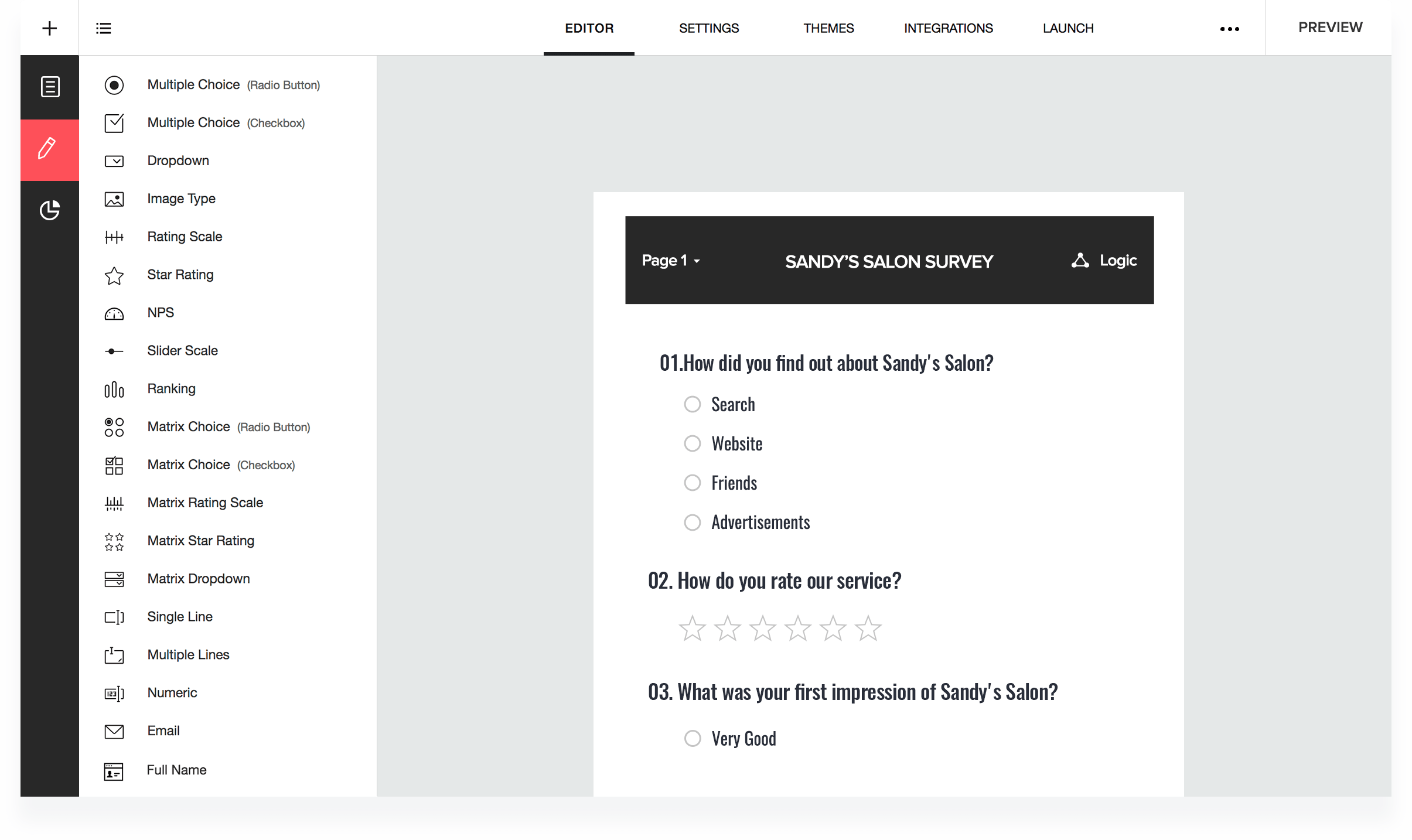
Survey-web is a versatile printable resource designed to help you create surveys tailored to your specific needs. This can include everything from simple feedback forms to more complex questionnaires. The beauty of using a printable survey is that it allows for immediate interaction without the need for technology, which can be a barrier for some families or classrooms.
When you download a survey template from Survey-web, you’ll typically find various formats available. Look for options that suit your audience, such as age-appropriate language for children or more formal structures for older students or adults. Having the right format is essential for ensuring that the surveys are easy to understand and fill out.
Choosing the Right Template
The first step in utilizing Survey-web is selecting the right template for your needs. Think about the information you want to collect. Are you looking for feedback on a family event, or are you trying to assess learning outcomes in a classroom setting? Here’s a quick guide to help you choose:
- Feedback Forms: Great for events or activities, these often include simple yes/no questions or short answer fields.
- Assessment Surveys: These can feature multiple-choice questions or scaled responses (like 1-5 ratings) to measure understanding or satisfaction.
- Interest Surveys: Perfect for gauging preferences, especially with kids, these can include fun questions to encourage participation.
Once you’ve decided on the type of survey you need, you can easily navigate through the available templates on Survey-web, picking one that best fits your goal.
Downloading and Printing Your Survey
After you’ve selected your template, it’s time to download and print it. Most templates come in PDF format, which is ideal for maintaining the original layout and design. Here’s how to ensure a smooth printing process:
- Check Printer Settings: Make sure your printer is set to the appropriate paper size, usually 8.5 x 11 inches for standard printouts. If you’re using a different size, adjust your settings accordingly.
- Print a Test Page: Before printing multiple copies, it’s a good idea to print a single test page. This helps you confirm that everything looks right and is legible.
- Use Quality Paper: If you want your surveys to last, consider using heavier paper or cardstock. This is especially useful if you plan to distribute them in a busy environment where they might get handled frequently.
- Consider Color Printing: If your survey includes visuals or specific branding, color printing can help make your surveys more engaging. However, keep an eye on your ink levels!
Setting Up Your Survey
Now that you have your printed surveys, it’s time to think about how you will distribute and collect them. Here are a few practical tips:
- Choose the Right Environment: If it’s for your kids, find a moment when they’re relaxed, perhaps during a family meal or game night. For classroom settings, consider handing them out during a fun activity to encourage participation.
- Provide Instructions: Make sure to explain the purpose of the survey and how to fill it out. Providing clear instructions helps reduce confusion and increases the quality of the responses you’ll receive.
- Set a Deadline: If you’re gathering feedback for a specific event or lesson, it’s helpful to set a deadline for when the surveys should be completed. This keeps everyone on track and ensures timely feedback.
Collecting and Analyzing Responses
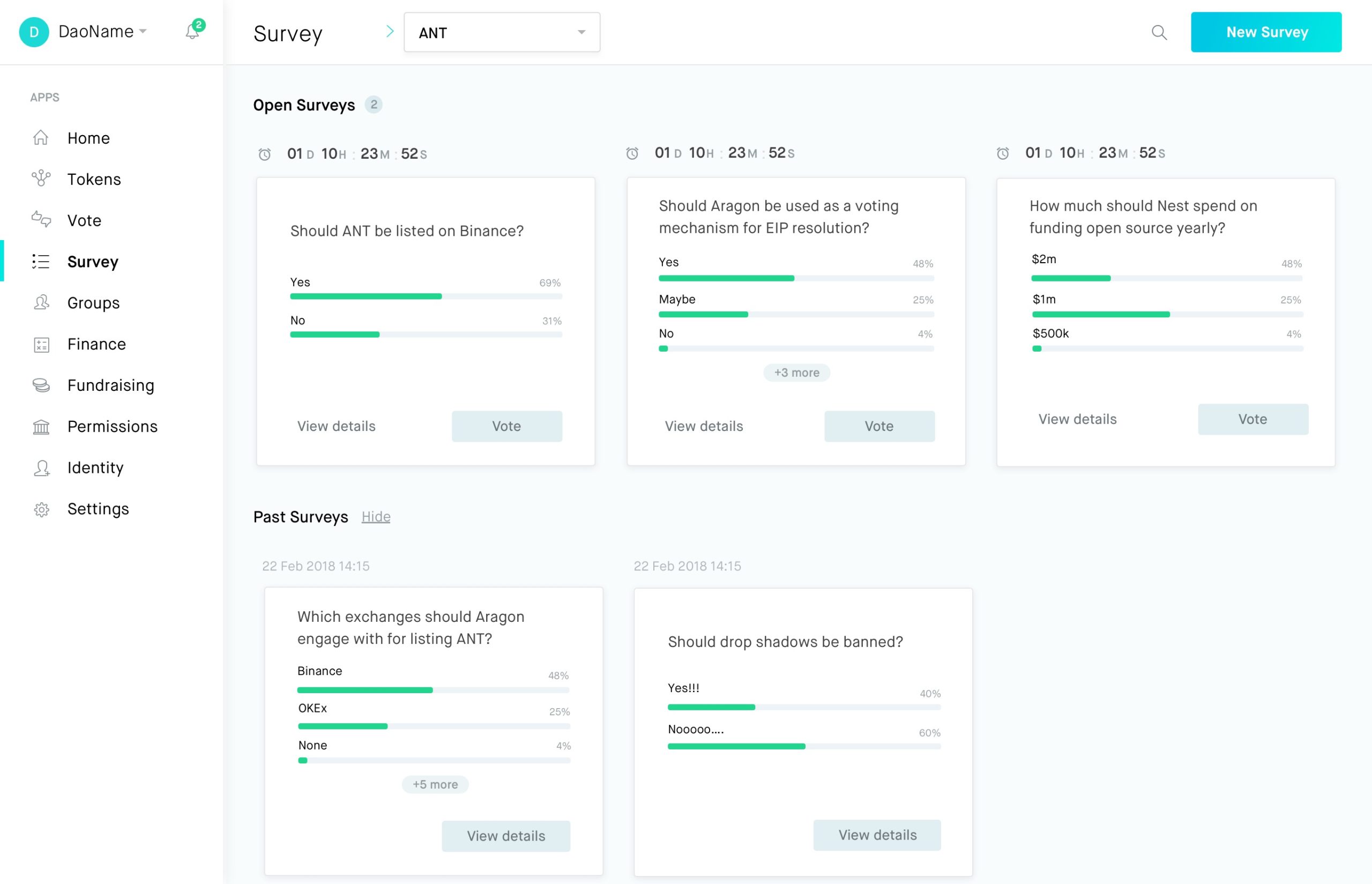
Once your surveys are filled out, it’s time to gather the responses. Depending on how you’ve distributed the surveys, you might collect them in a box, folder, or simply have everyone hand them back to you. After collection, consider these steps for analysis:
- Organize Responses: If you have a variety of responses, it’s useful to categorize them based on the questions asked. This can help you draw insights more easily.
- Look for Trends: Are there common themes in the feedback? For example, if multiple family members mention wanting more movie nights, that’s a clear signal to plan them more often!
- Share Findings: If the survey was for a classroom, sharing the results with your students can be a great way to show them that their opinions matter. You can also discuss what changes will be made based on their feedback.
- Adjust Future Surveys: Each time you use a survey, think about what worked well and what could be improved. This iterative process will help you refine your surveys for better results in the future.
Using Survey-web effectively can transform how you gather feedback in your home or classroom. By following these steps—choosing the right template, downloading and printing, setting up your survey, and analyzing the responses—you’ll be well on your way to creating a valuable resource for communication.
For your next survey, remember to keep the questions clear and concise, and don’t hesitate to get creative with your format to engage your audience fully. Happy surveying!
Survey-web Gallery