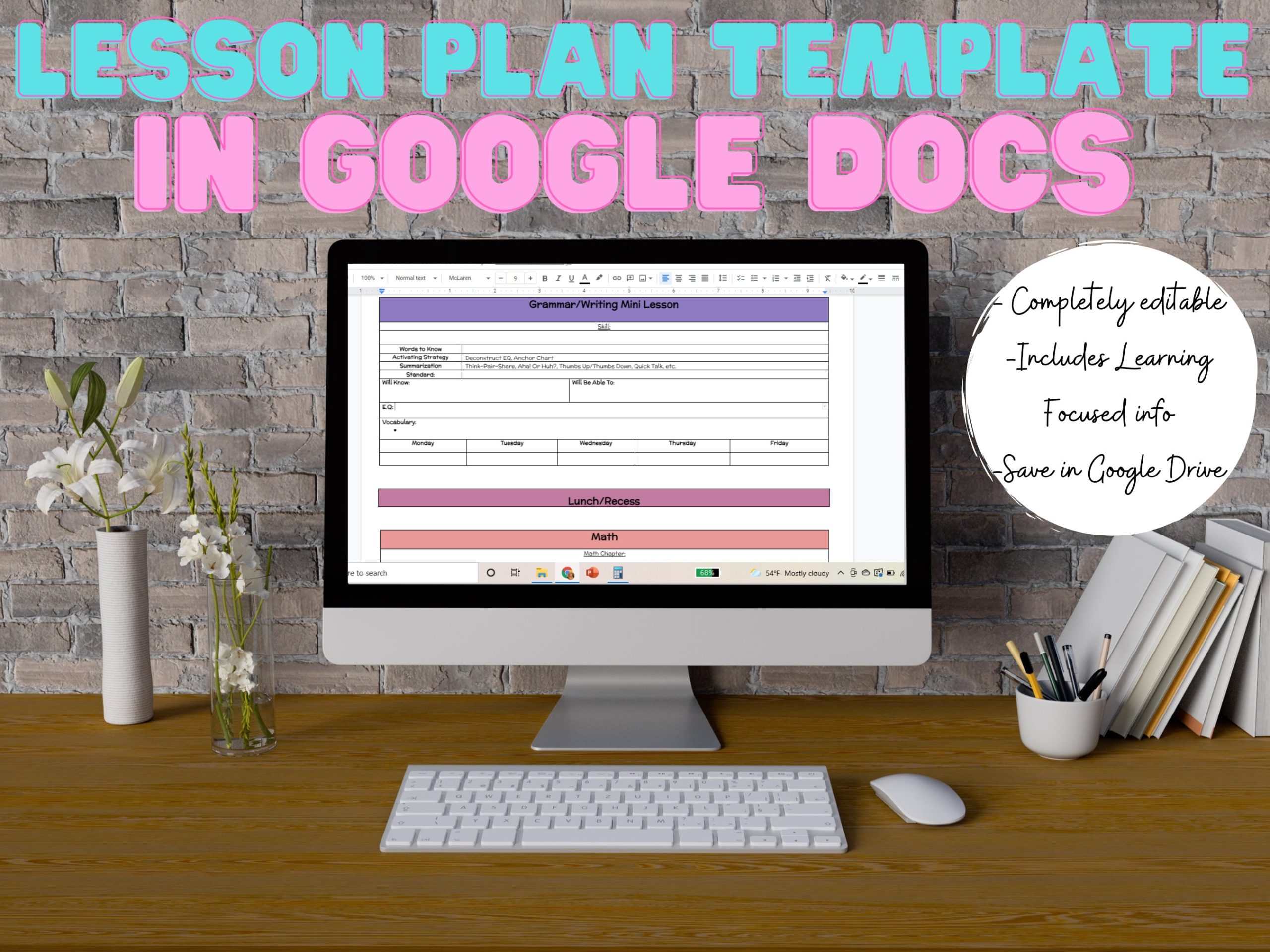
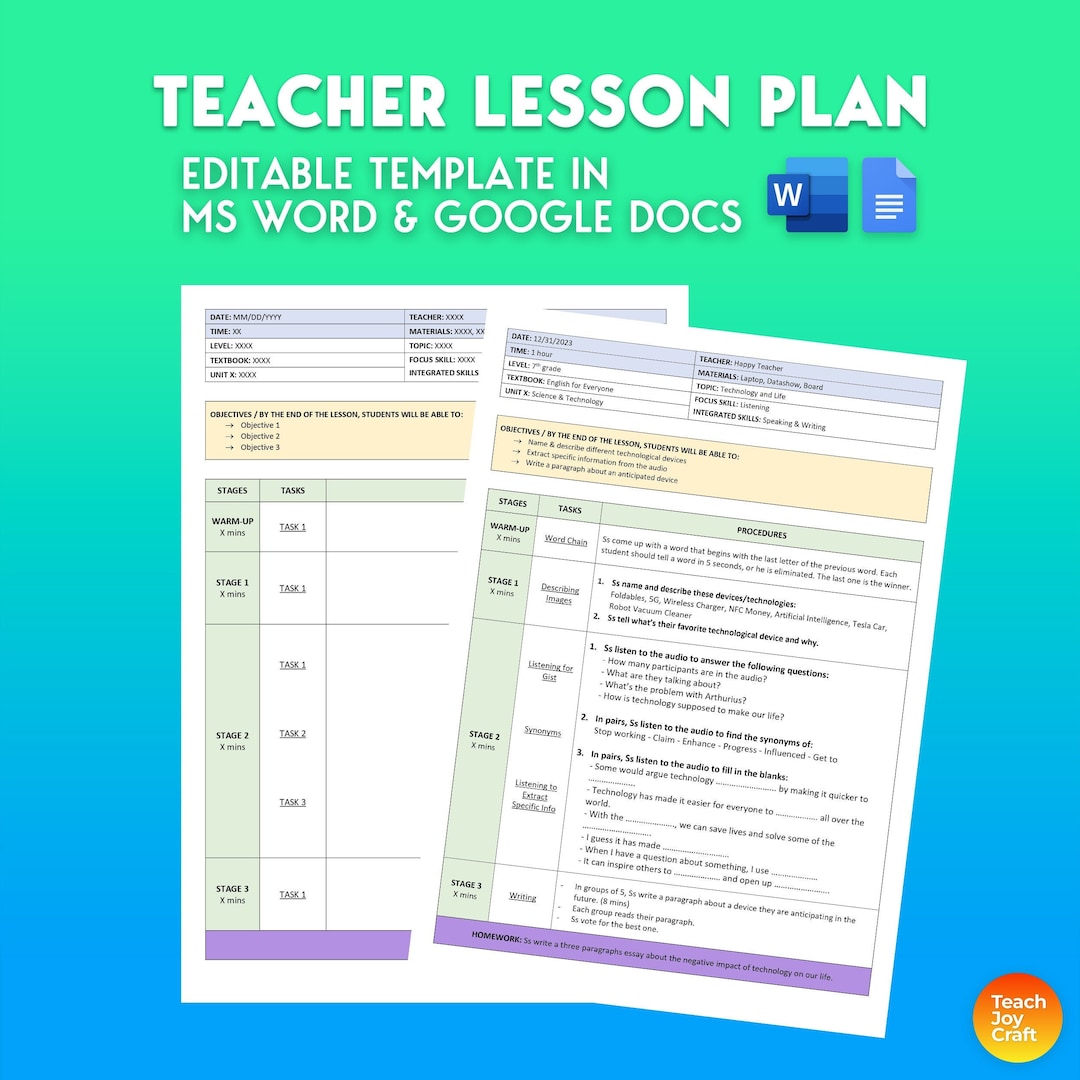
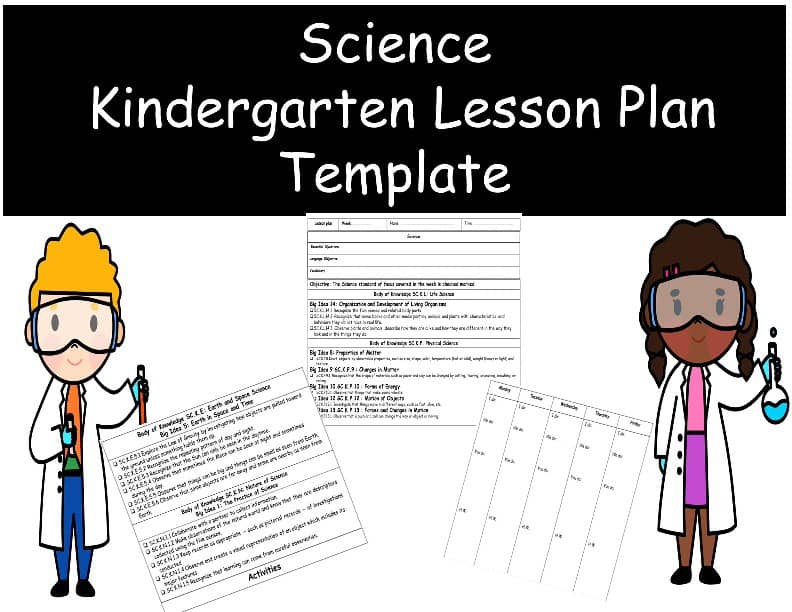
When you’re looking for a way to enhance your kindergarten science curriculum, a Science Lesson Plan For Kindergarten Free Google Docs Template can be a game-changer. Unlike other generic templates, this one is tailored specifically for young learners, incorporating engaging activities that spark curiosity and facilitate hands-on learning. You can easily customize it to suit your classroom’s needs, ensuring that your little scientists are excited to explore the world around them.
Features of the Science Lesson Plan Template
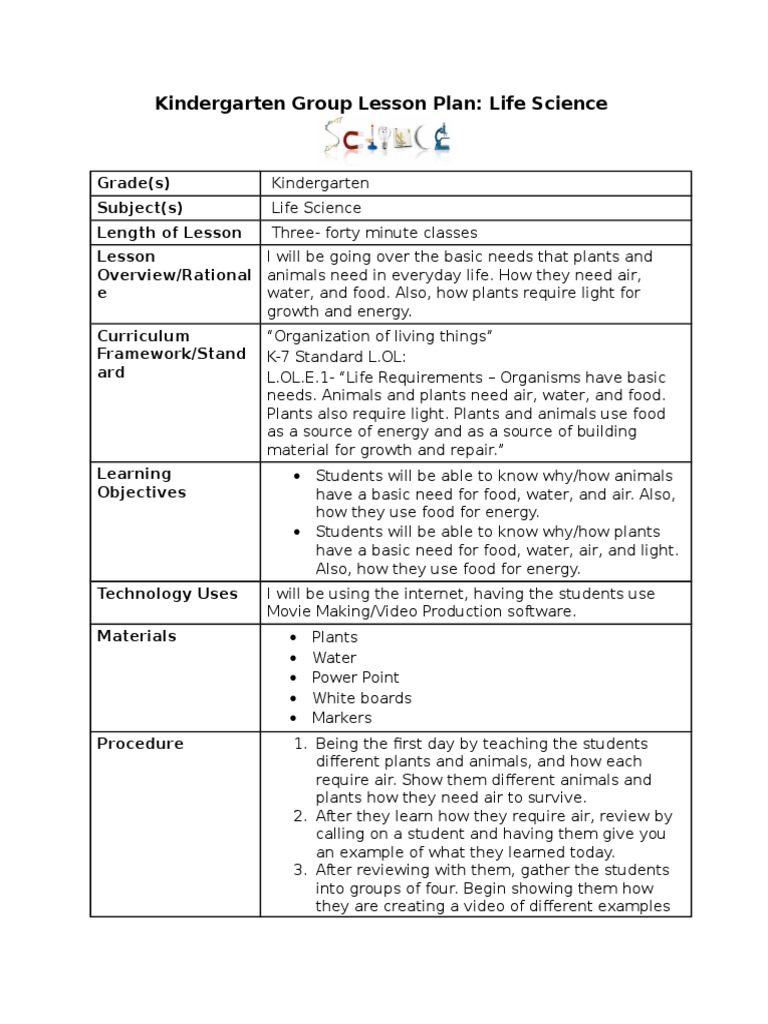
The primary advantage of this Google Docs template is its user-friendly design. It includes clearly defined sections that guide you through planning each lesson. Here are some of the key features:
- Lesson Overview: A brief introduction to the topic, including objectives and expected outcomes. This helps you stay focused on what you want your students to learn.
- Materials Needed: A checklist of supplies and resources, from simple household items to specialized tools. This section ensures you’re well-prepared before the lesson starts.
- Activity Instructions: Step-by-step guidance on how to conduct the lesson. These instructions are straightforward, making it easy for both new and experienced teachers to follow.
- Reflection Section: A space for you to jot down what worked well and what could be improved for future lessons. This encourages continuous growth and adaptation in your teaching.
Customizing Your Template
One of the standout features of a Google Docs template is its ease of customization. Here’s how you can adapt it to fit your teaching style and classroom needs:
- Edit Text Easily: You can modify lesson objectives or activity descriptions to align with your specific curriculum or the interests of your students. For example, if your class is particularly fascinated by plants, you can tailor the lesson to focus more on plant biology.
- Add Images or Links: Enhancing your lesson plan with visuals or links to relevant online resources can make your lessons more engaging. You can easily insert images of experiments or link to educational videos that complement your lesson.
- Change Layouts: Google Docs allows you to adjust the layout to make it more visually appealing or easier to read. You might prefer a portrait or landscape orientation depending on how you plan to print it.
By taking advantage of these customization options, you can create a lesson plan that feels personal and unique to your teaching approach.
Practical Use Cases for the Template
This Science Lesson Plan For Kindergarten Free Google Docs Template is versatile and can be used in various teaching contexts. Here are a couple of practical scenarios:
- Weekly Themes: If you have a weekly theme for your science classes, this template can help you plan each week’s lessons coherently. For example, if your theme is “Weather,” you can create a series of lessons exploring different weather phenomena, from rain to sunshine.
- Parent-Teacher Meetings: Sharing this template during parent-teacher conferences can provide parents with a clear picture of what their children are learning. It helps them understand your teaching methods and the objectives for each lesson.
You can even print copies for parents, making it easier for them to follow along with their child’s learning journey.
Downloading and Using the Template
Getting your hands on the Science Lesson Plan For Kindergarten Free Google Docs Template is simple. Here’s a quick guide on how to download and start using it effectively:
- Access the Template: Click on the download link provided on the resource website. Ensure you have a Google account to access the file.
- Make a Copy: Once you open the template, go to ‘File’ and select ‘Make a copy.’ This will save the document to your Google Drive, allowing you to edit it without altering the original.
- Print or Share: After customizing your lesson plan, you can print it out for your records or share it with colleagues through Google Drive. This fosters collaboration and allows for sharing of best practices.
As you prepare your lessons, remember that the layout of your printed materials can impact how your students engage with the content. Consider using colorful paper or a larger font size for younger children to keep their attention focused.
Science Lesson Plan For Kindergarten Free Google Docs Template Gallery