Using printable first grade math flash cards online can be a fun and engaging way to help your child reinforce essential math skills. As a parent, I’ve found that flash cards serve as a great tool for keeping young learners motivated and focused. They’re versatile and can be adapted to various learning styles, making them perfect for both classrooms and home environments.
Understanding the Advantages of Printable First Grade Math Flash Cards
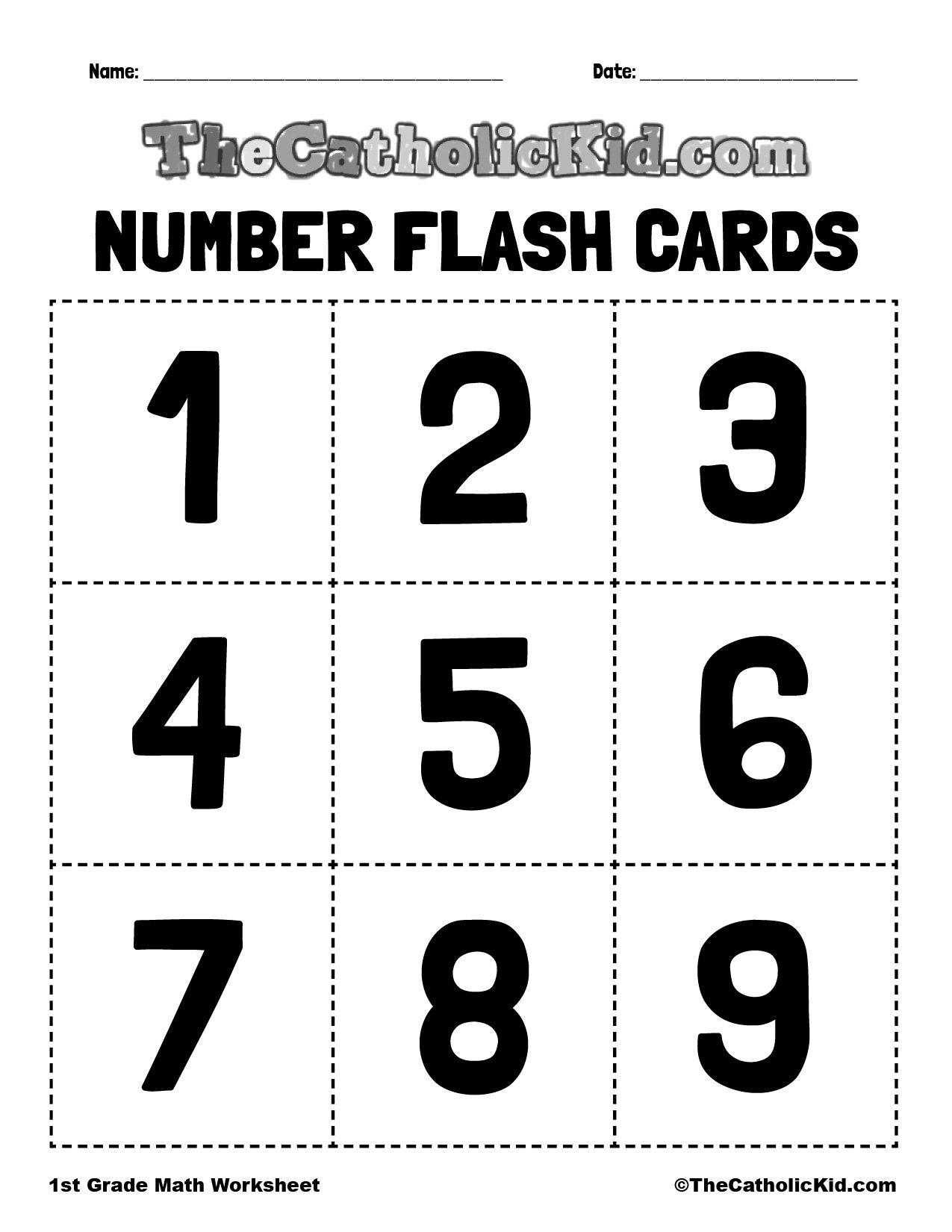
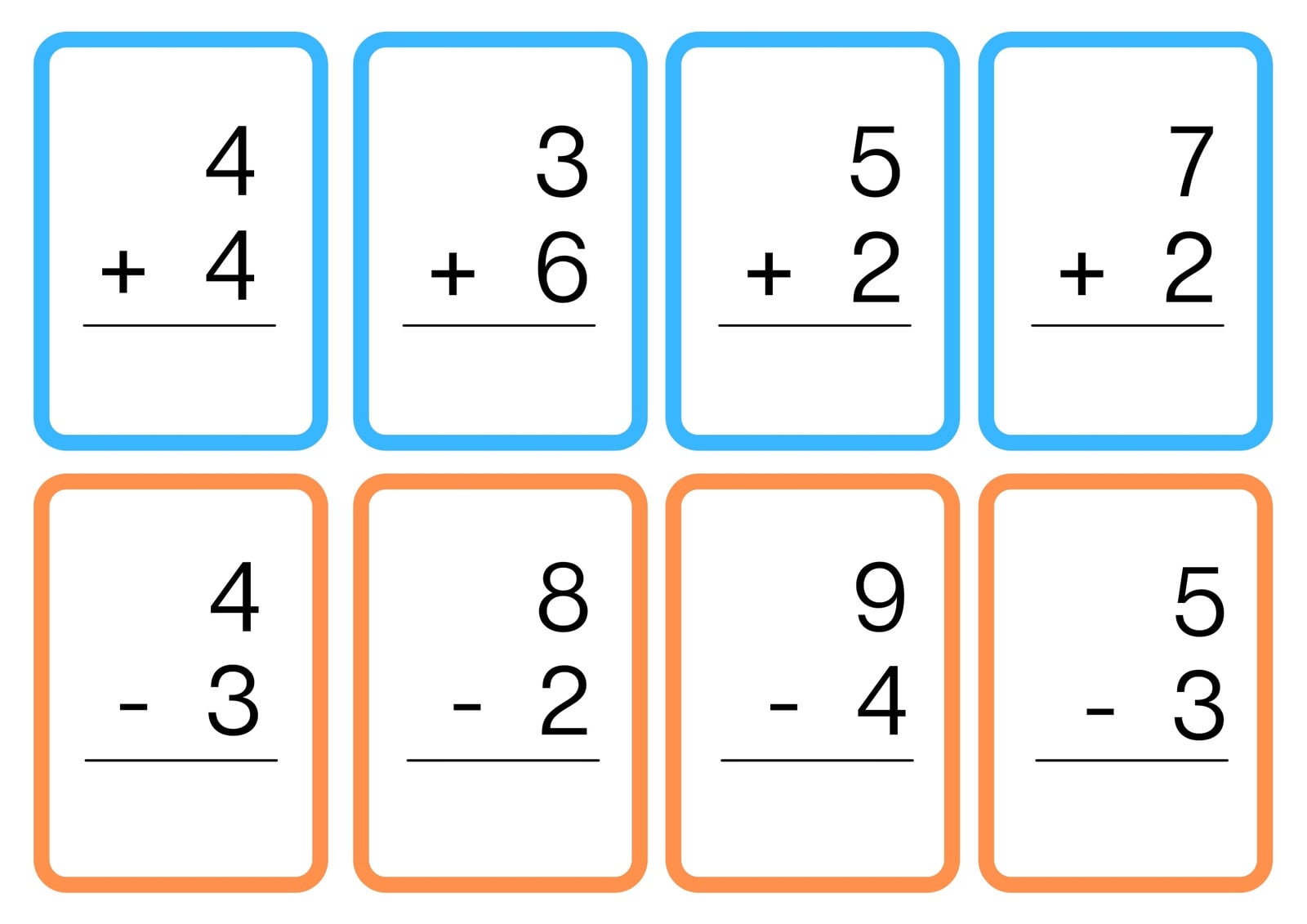
Flash cards are not only effective for memorization but also help children develop critical thinking and problem-solving skills. For first graders, these cards typically cover fundamental concepts such as addition, subtraction, number recognition, and simple word problems. The immediate feedback provided by flash cards allows kids to assess their understanding and progress quickly.
When using printable first grade math flash cards online, you can find sets tailored to specific skills. For instance, you might encounter flash cards that focus solely on addition facts up to 20 or cards that introduce early subtraction. This targeted approach helps ensure that your child is practicing relevant material that aligns with their learning objectives.
How to Print and Prepare Flash Cards
Printing your flash cards is a straightforward process, but a few tips can make a significant difference. First, opt for cardstock paper instead of regular printer paper. Cardstock is sturdier and holds up better to repeated handling, which is especially important for energetic little hands.
When downloading flash cards, look for PDF formats, as they usually maintain their layout better than image files. Most flash cards are designed in a standard size, often 5×7 inches, which fits nicely in a child’s hand.
Here’s a quick step-by-step to get you started:
- Download the Flash Cards: Search for and select a reputable site offering printable first grade math flash cards online. Make sure the resource is child-friendly and free of ads.
- Print Settings: Set your printer to the highest quality to ensure clear images and text. If your printer has a portrait or landscape option, portrait is usually best for flash cards.
- Cut and Laminate: After printing, carefully cut out each flash card. If you want them to last longer, consider laminating them. This also makes them easier to wipe clean if your child uses a dry-erase marker to write answers directly on the cards.
- Storage: Store your flash cards in a small box or envelope to keep them organized. Label the container so you can quickly find the right set when needed.
Engaging Your Child With Flash Cards
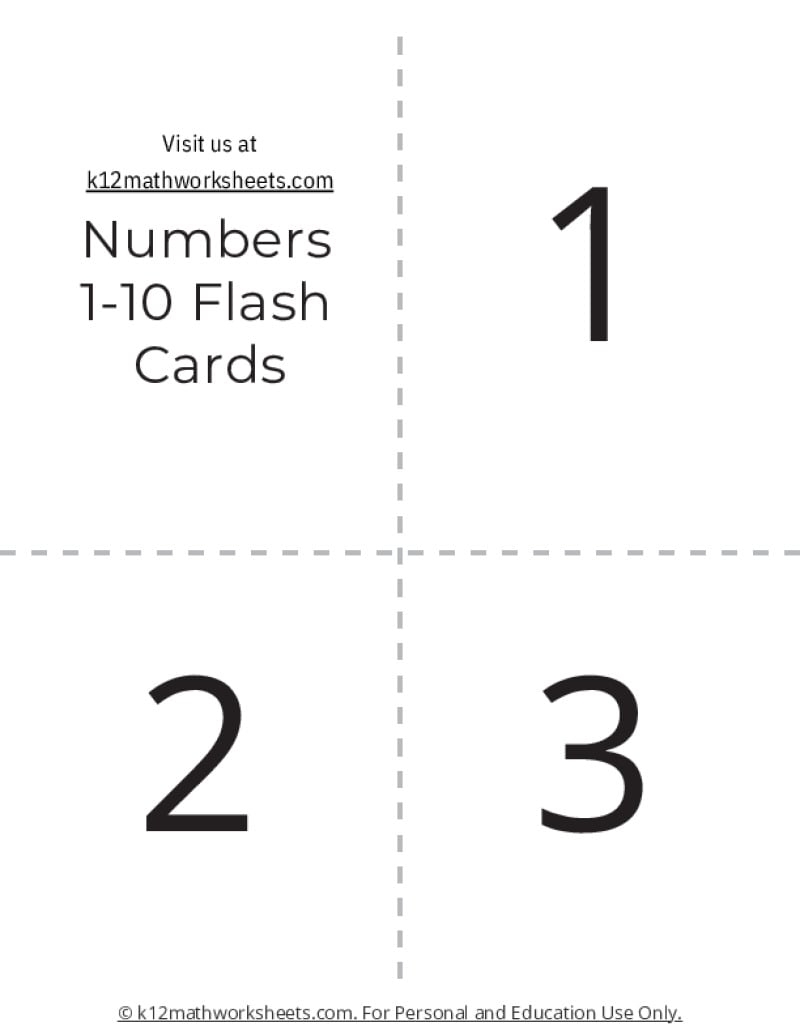
Using flash cards can be a fun activity rather than just a study session. Here are a few ideas to make the most of your printable first grade math flash cards online:
- Game Time: Turn learning into a game! You can play memory matching, where you place cards face down and take turns flipping them over, trying to match pairs of problems and answers.
- Timed Challenges: Create a little competition by timing how fast your child can go through a set of cards. This encourages quick thinking and can be rewarding when they beat their personal best.
- Incorporate Movement: For active learners, consider placing flash cards around the room. Call out a math problem and have your child run to the correct answer. This combines physical activity with learning!
- Daily Review: Make flash card practice a part of your daily routine. A few minutes each day can reinforce what your child has learned and build confidence.
By incorporating these strategies, you’ll not only help your child improve their math skills but also create a positive learning environment. Remember, the key is to keep things light and enjoyable, so your child looks forward to learning.
With the right approach, printable first grade math flash cards online can become a favorite resource in your educational toolkit. Whether you choose to print them at home or find a local print shop, these cards are an accessible option for enhancing your child’s math skills. Consider varying how you use them based on your child’s mood and learning style; there’s no one-size-fits-all method!