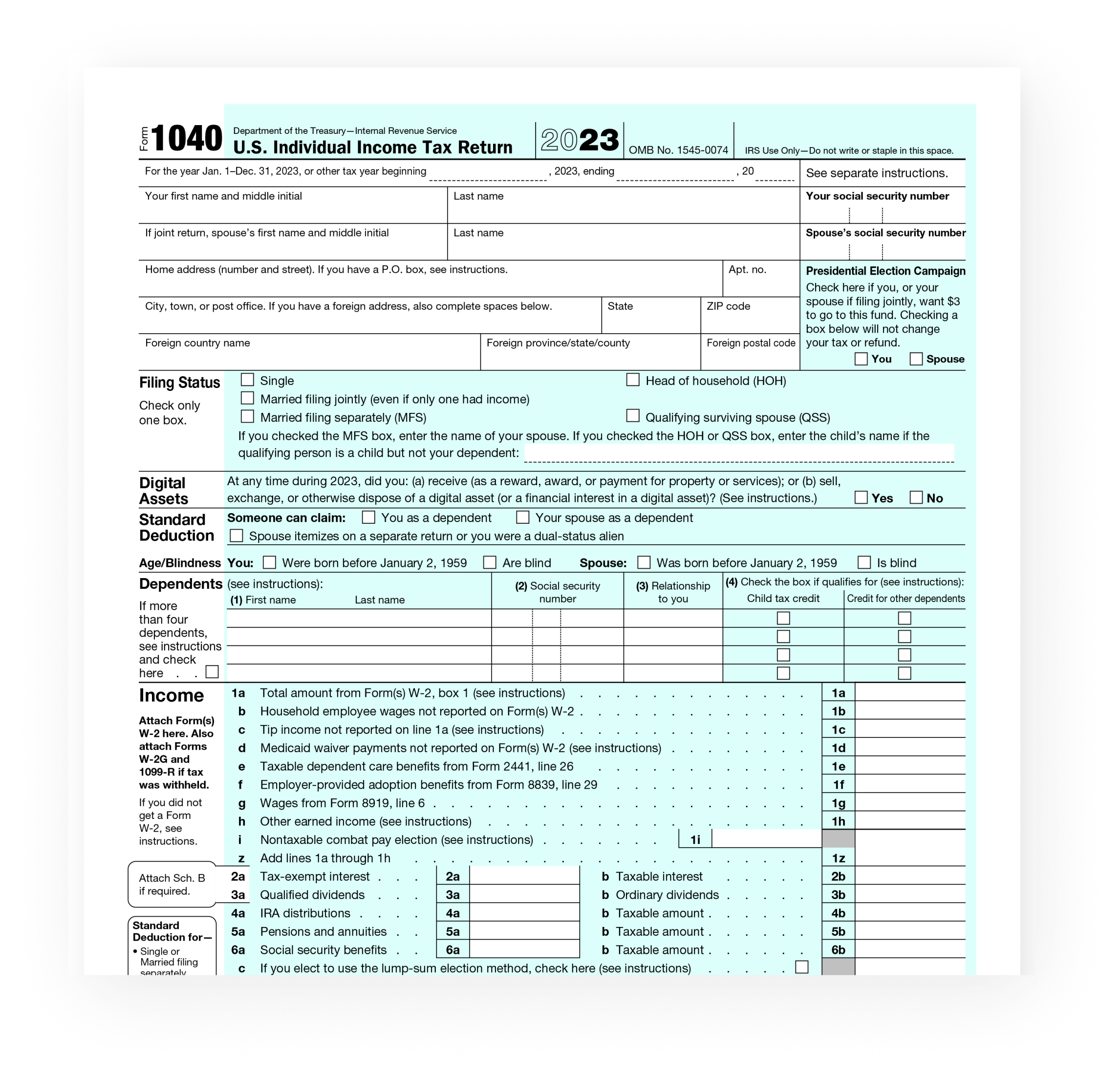
When it comes to managing your finances, especially during tax season, having a printable copy of income taxes filed online can be quite beneficial. It serves as a tangible record of your submissions, making it easier to refer back to them when needed. If you are a parent juggling multiple responsibilities or just someone who wants to keep their financial documents organized, knowing how to access and utilize these resources effectively can save you time and stress.
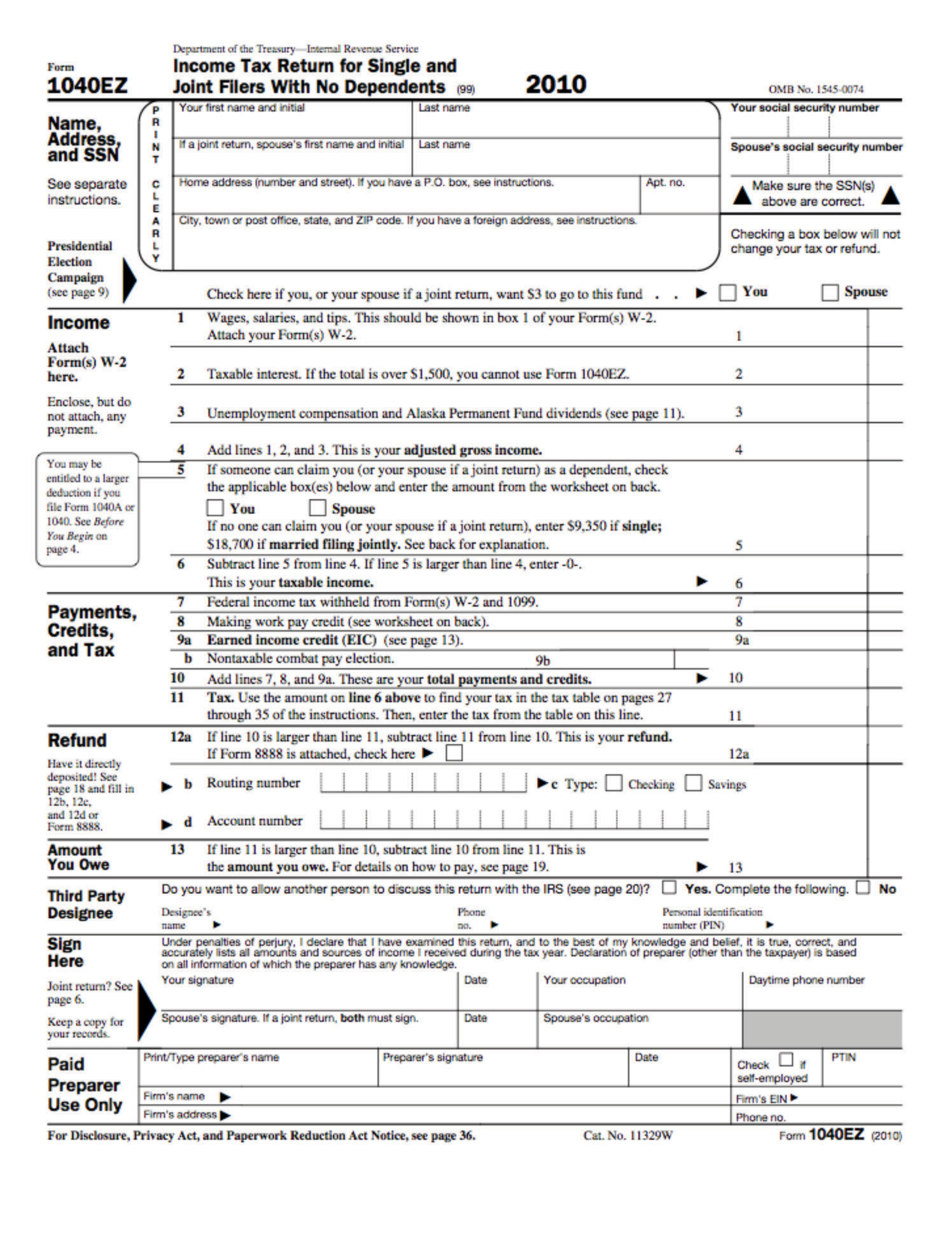
Accessing Your Printable Copy of Income Taxes Filed Online
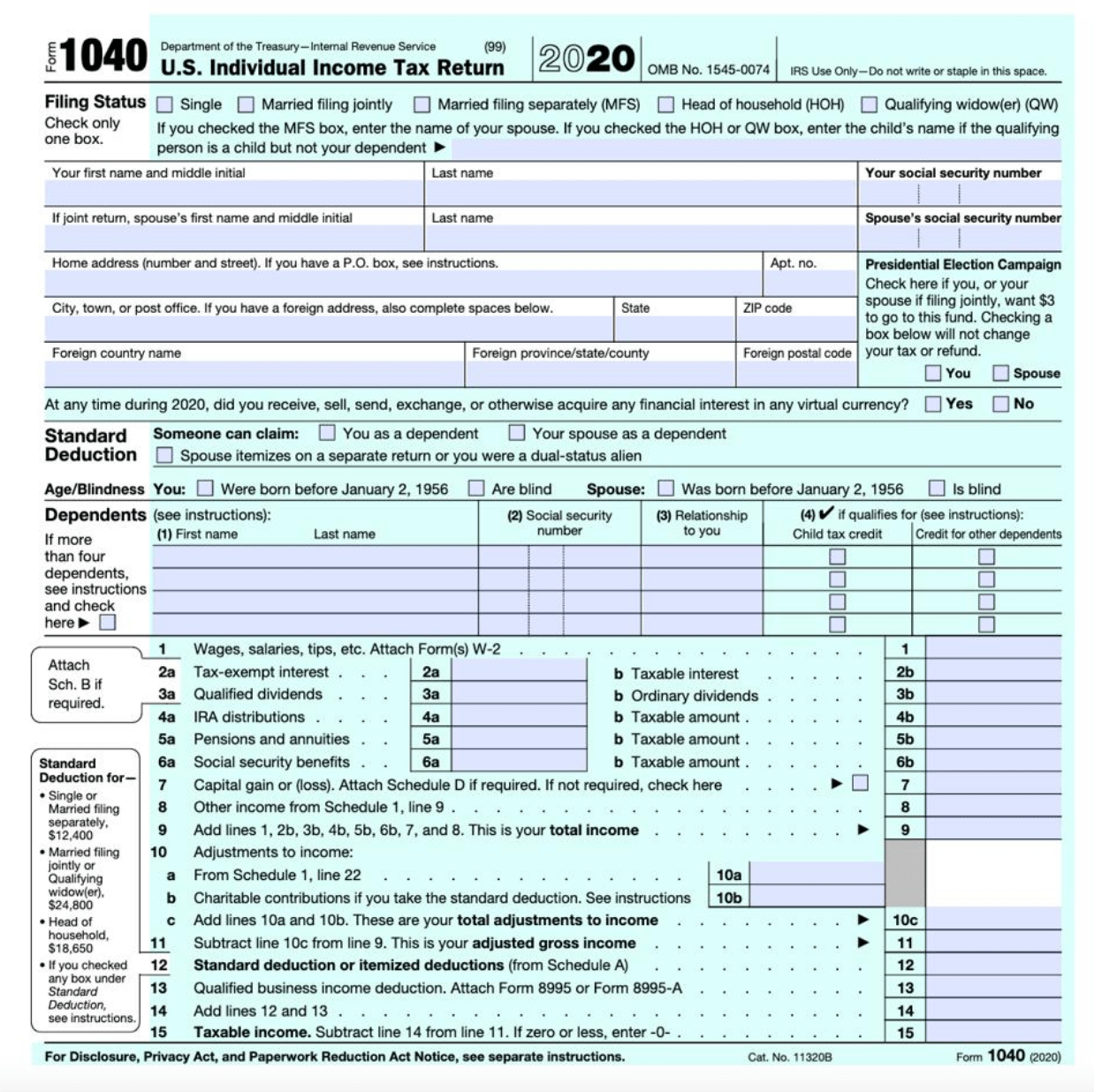
To begin, accessing your printable copy of income taxes filed online usually involves a few straightforward steps. Most tax preparation services, such as TurboTax or H&R Block, allow you to log in to your account and retrieve your submitted returns. If you filed your taxes directly with the IRS, you can also use their online tools to access your tax records.
- Log into your account: Whether it’s a third-party service or the IRS, start by logging into your account.
- Navigate to your tax documents: Look for a section labeled something like “Tax History” or “Documents.”
- Download your return: Select the appropriate tax year and choose the option to download or print your return.
Remember, having a digital copy readily available is great, but it’s wise to keep a printed version as well, especially for any future reference or audits.
Choosing the Right Format for Printing
Once you have your income tax documents, the next step is deciding how to print them. Here are a few considerations:
- PDF Format: This is typically the format in which tax documents are downloaded. PDF files are ideal because they maintain their formatting regardless of the device or printer used. Most home printers handle PDFs well, so you can print them directly.
- Paper Size: Standard letter size (8.5 x 11 inches) works best for most tax documents, ensuring everything fits neatly on the page. Make sure your printer settings are adjusted accordingly.
- Color vs. Black and White: For tax documents, black and white printing is usually sufficient. It saves on ink and keeps the documents professional.
Organizing Your Printed Tax Documents
Once you’ve printed your income tax return, organization becomes key. Here are some practical tips for keeping your documents in order:
- Use a binder or folder: Create a dedicated space in your home for tax-related documents. A binder works well because you can easily add or remove pages as needed.
- Label sections: If you have multiple years of tax returns, consider labeling sections by year. This makes it easy to find what you need without sifting through everything.
- Include supporting documents: Alongside your tax returns, keep any supporting documents like W-2 forms and 1099s in the same binder or folder. This ensures you have all necessary information together.
- Digital Backup: In addition to your printed copies, consider saving a digital version of your tax documents in a secure cloud storage service. This provides an additional layer of security against loss or damage.
Knowing When to Use Digital Vs. Printed Copies
There are times when a digital copy is more practical than a printed one, and vice versa. Here’s a quick guide:
- Use Digital Copies When: You need to file amendments or refer to your tax history quickly. Digital files can be accessed on the go and are often easier to search through.
- Use Printed Copies When: You need to provide documentation for loans, audits, or other formal requests. Having a physical document is often required in these situations.
By understanding how to effectively manage your printable copy of income taxes filed online, you can streamline your financial organization. Whether you prefer to keep everything digital or enjoy the tactile nature of printed documents, having a plan in place will help you stay on top of your financial responsibilities.