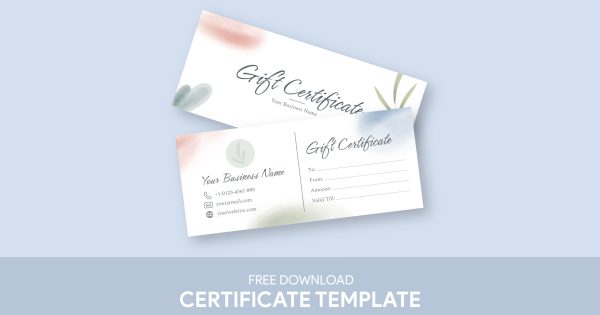
Using a free online flash card maker printable can significantly enhance learning experiences for both kids and adults. Flashcards are not just for memorization; they can be tailored to suit various subjects and age levels, making them a versatile tool in your educational toolkit. If you are a parent, teacher, or caregiver, having effective resources at your fingertips can help you track progress and ensure mastery of concepts.
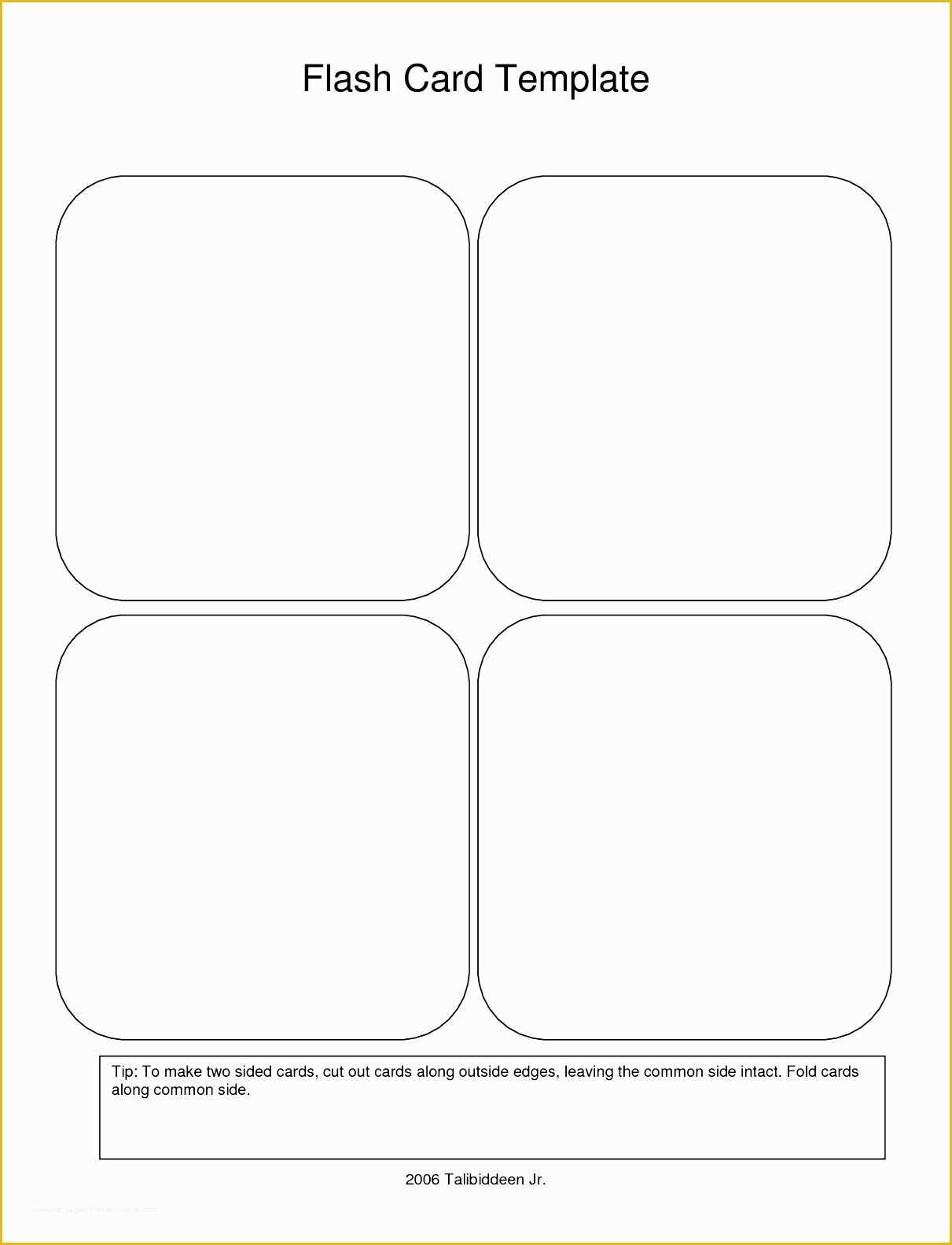
Designing Flashcards for Effective Learning
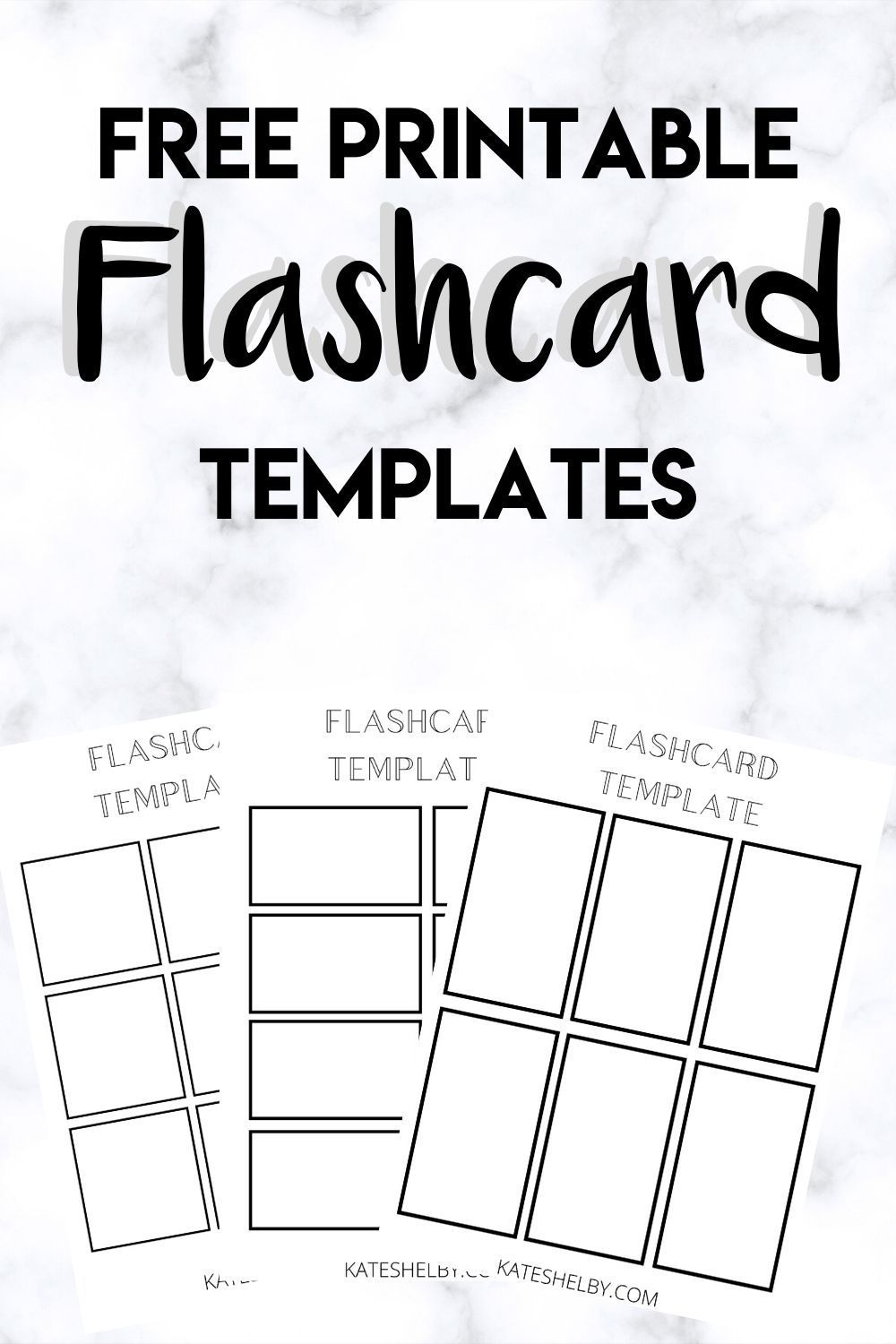
Creating flashcards using a free online flash card maker printable is straightforward. Most platforms allow you to customize your cards with text, images, and even colors. This customization can engage learners and keep them interested. For younger children, using vibrant colors and fun images can make learning feel like a game. For older students, a more subdued design can be useful for serious study sessions.
When designing your flashcards, think about the content that needs reinforcement. For example, if you’re teaching vocabulary words, include the word on one side and its definition or an image on the other. This method not only aids memory but also helps in visual learning, which is beneficial for many students.
Practical Tips for Using Flashcards
Once your flashcards are printed, how do you use them effectively? Here are some tips that have worked well in both classroom and home settings:
- Review Regularly: Schedule short review sessions throughout the week. This spaced repetition is proven to enhance retention.
- Mix It Up: Shuffle the cards each time you review to ensure that learners are not just memorizing the order of the cards but are actually recalling the information.
- Incorporate Games: Use flashcards in games like “memory” or “go fish” to make learning more interactive. This keeps motivation high and breaks the monotony of standard study sessions.
Tracking Progress and Mastery
One of the most effective ways to check if a concept has clicked with a learner is to observe how they engage with the flashcards over time. Here’s how you can track progress:
- Self-Assessment: Have learners rate their confidence in their answers after each review session. This can be a simple thumbs up or down, or a scale from one to five.
- Flashcard Sorting: After a review, ask learners to separate the cards into “I know this,” “I’m unsure,” and “I need to practice.” This will help you identify which concepts need more focus.
- Set Goals: Encourage learners to set achievable goals, like mastering a certain number of cards each week. This gives them a target to aim for, making progress more tangible.
Storage and Printing Tips
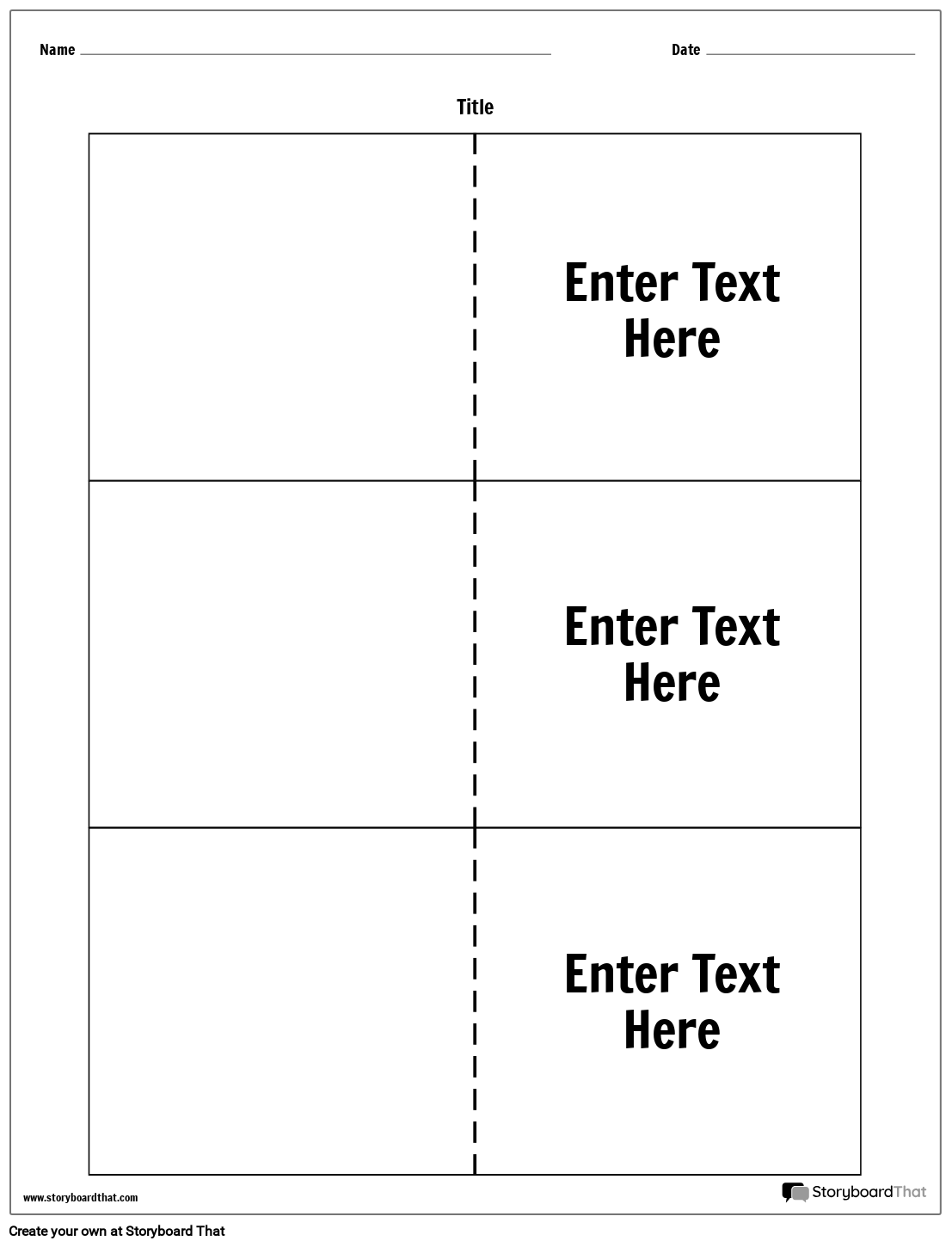
For ease of use, consider how you will store and print your flashcards. Here are some practical suggestions:
- Cardstock for Durability: Print your flashcards on cardstock. This thicker paper will hold up better over time, especially if you plan to laminate them.
- Standard Sizes: Most flashcards are around 3×5 inches or 4×6 inches. Keeping to these sizes ensures they fit well in standard card boxes or storage containers.
- Digital Copies: Always save a digital copy of your flashcards. This way, you can easily reprint them if they get worn out or if you want to make additional sets in the future.
Using a free online flash card maker printable opens up many possibilities for effective learning and teaching. With thoughtful design, regular review, and progress tracking, you can ensure that the use of flashcards becomes a valuable part of the educational process. You might even find that these cards become a go-to resource for various subjects or topics, enhancing learning outcomes for all involved.