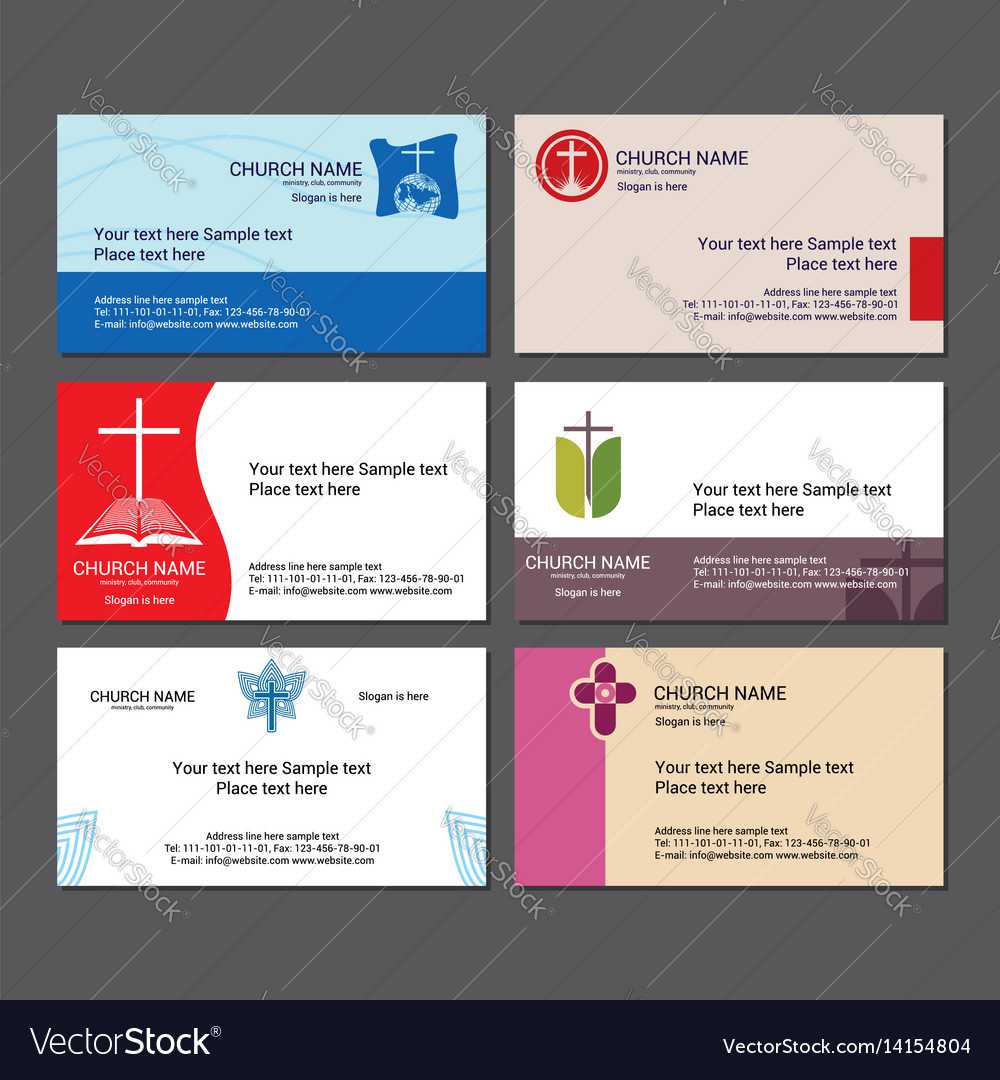
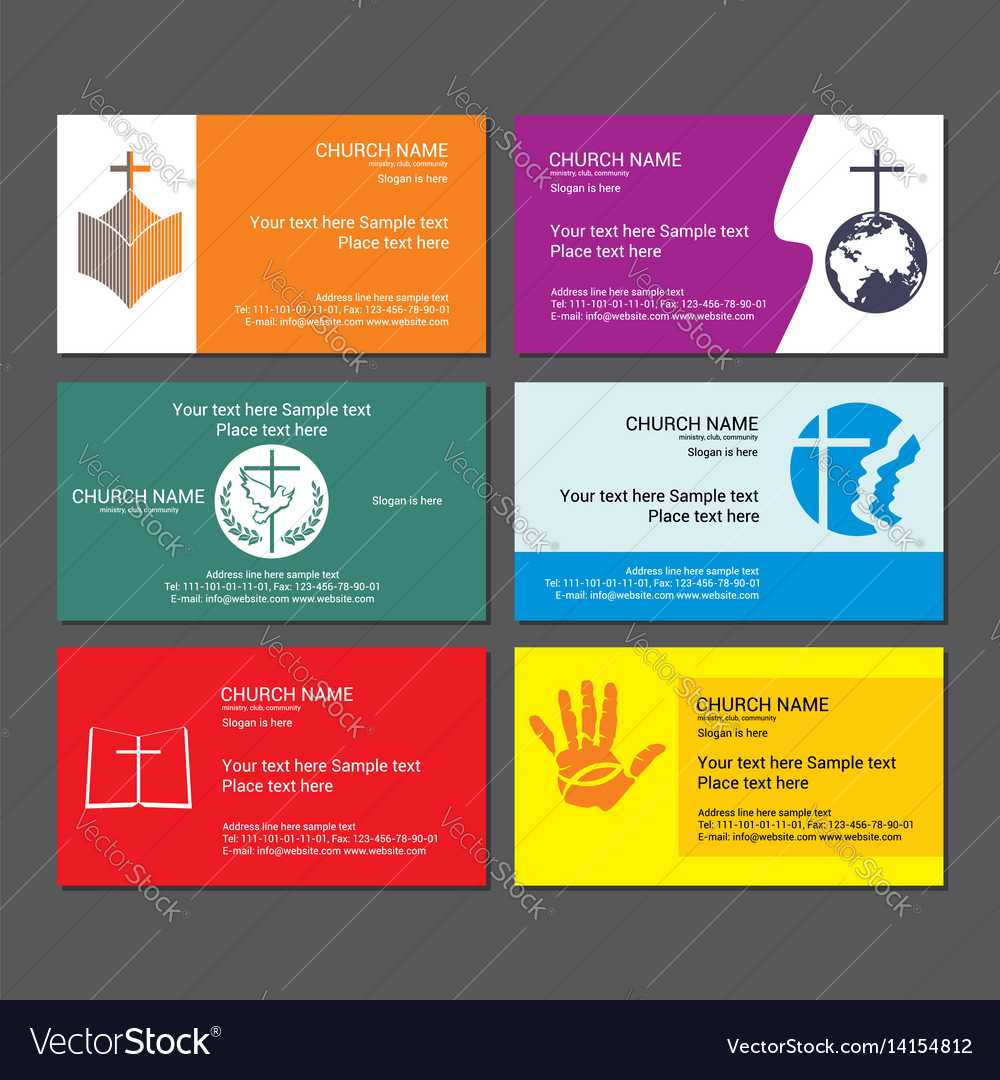
Creating a Christian church business card can be a meaningful way to connect with your community. The Christian Church Business Card Free Google Docs Template stands out because it’s designed specifically for churches, allowing you to convey your church’s mission and values effectively. This template is not just a blank slate; it includes thoughtful sections and a layout that aligns with the spiritual and community-oriented nature of church activities. In this article, I’ll explore how to make the most of this template, the details it offers, and how you can personalize it to fit your church’s identity.
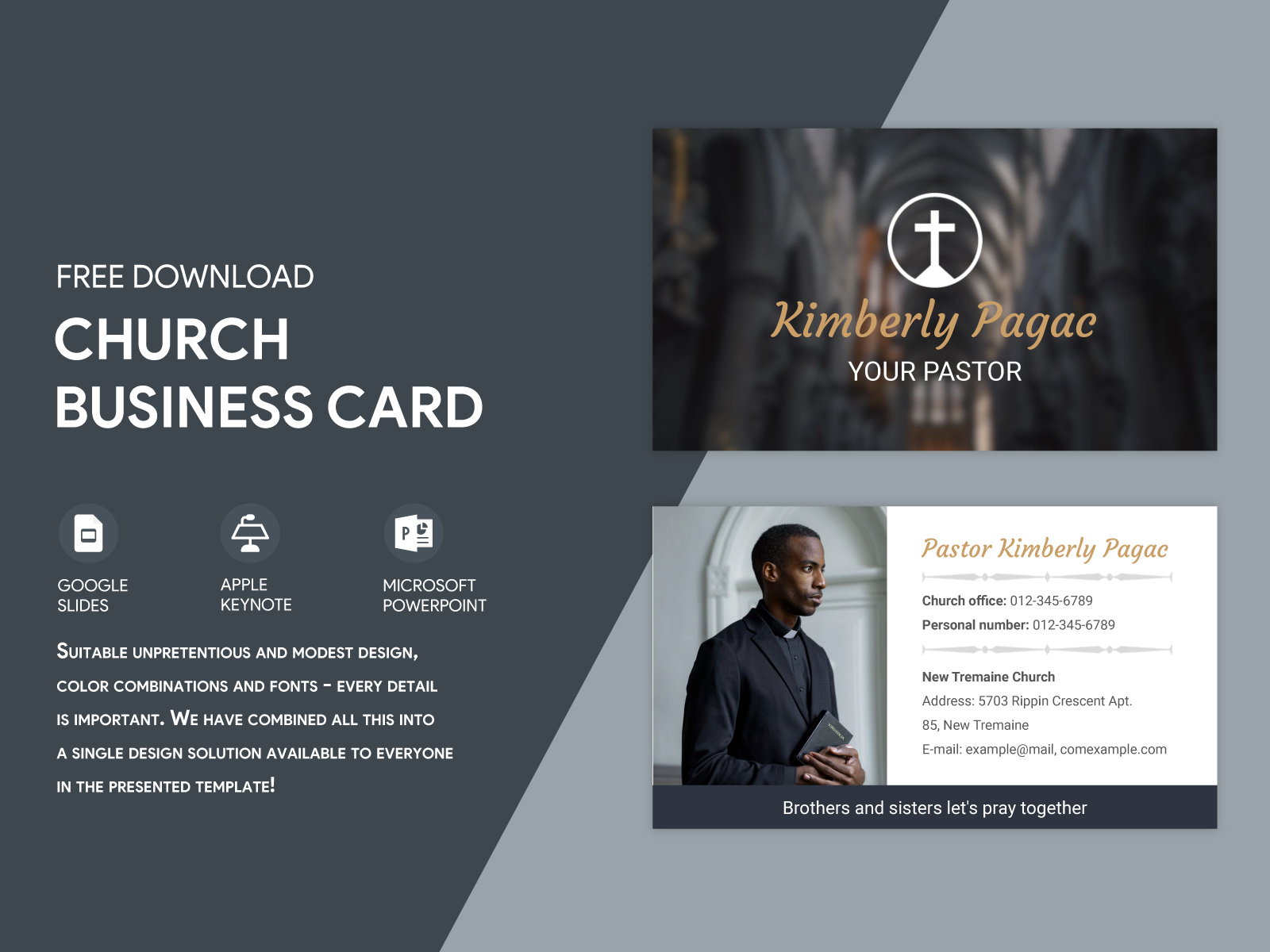
Key Features of the Template
The Christian Church Business Card Free Google Docs Template includes several essential features that make it user-friendly and adaptable. Here are some of the key aspects you’ll want to consider:
- Size and Layout: Typically, church business cards are designed in a standard size of 3.5 x 2 inches. This ensures they fit easily into wallets and cardholders. The template is set up in a portrait layout, which suits most printers and is visually appealing for a church setting.
- Sections for Personalization: The template includes fields for your church name, logo, contact information, and a brief tagline or mission statement. This structure allows you to present your church’s identity clearly and concisely.
- Color and Font Choices: You’ll find that the color palette is designed to be inviting and warm, often using earth tones or soft pastels that resonate with community and spirituality. The fonts used are also easy to read, ensuring that your information is accessible at a glance.
Customizing Your Business Card
When you download the Christian Church Business Card Free Google Docs Template, customization is straightforward. Here are some practical tips for making your card truly yours:
Personalizing Content
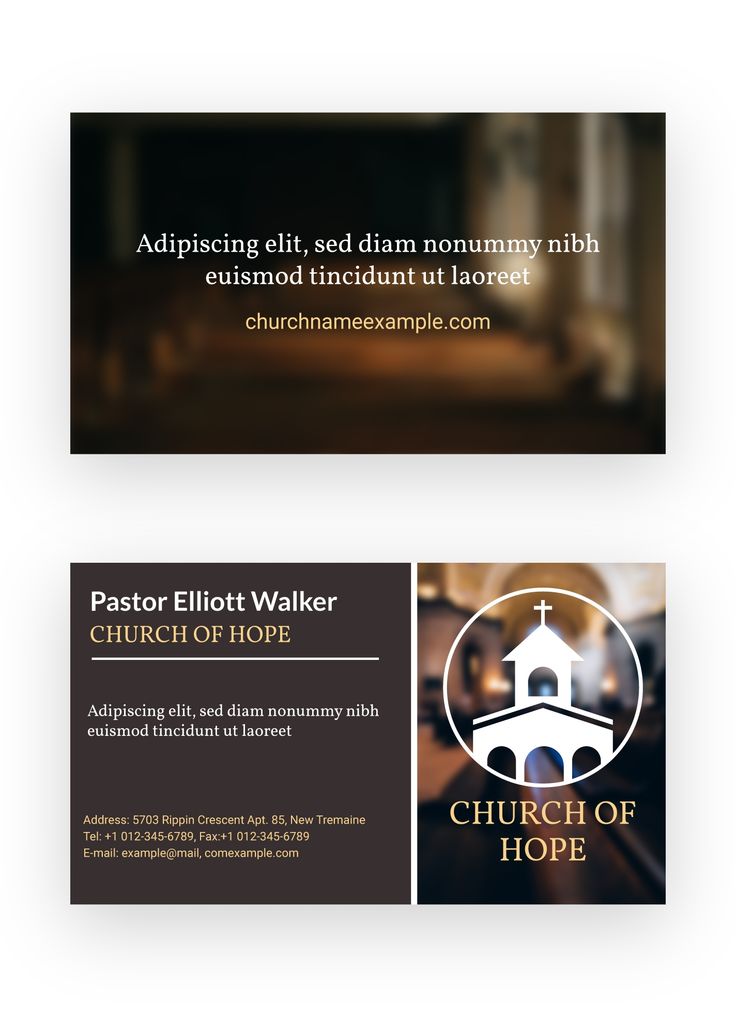
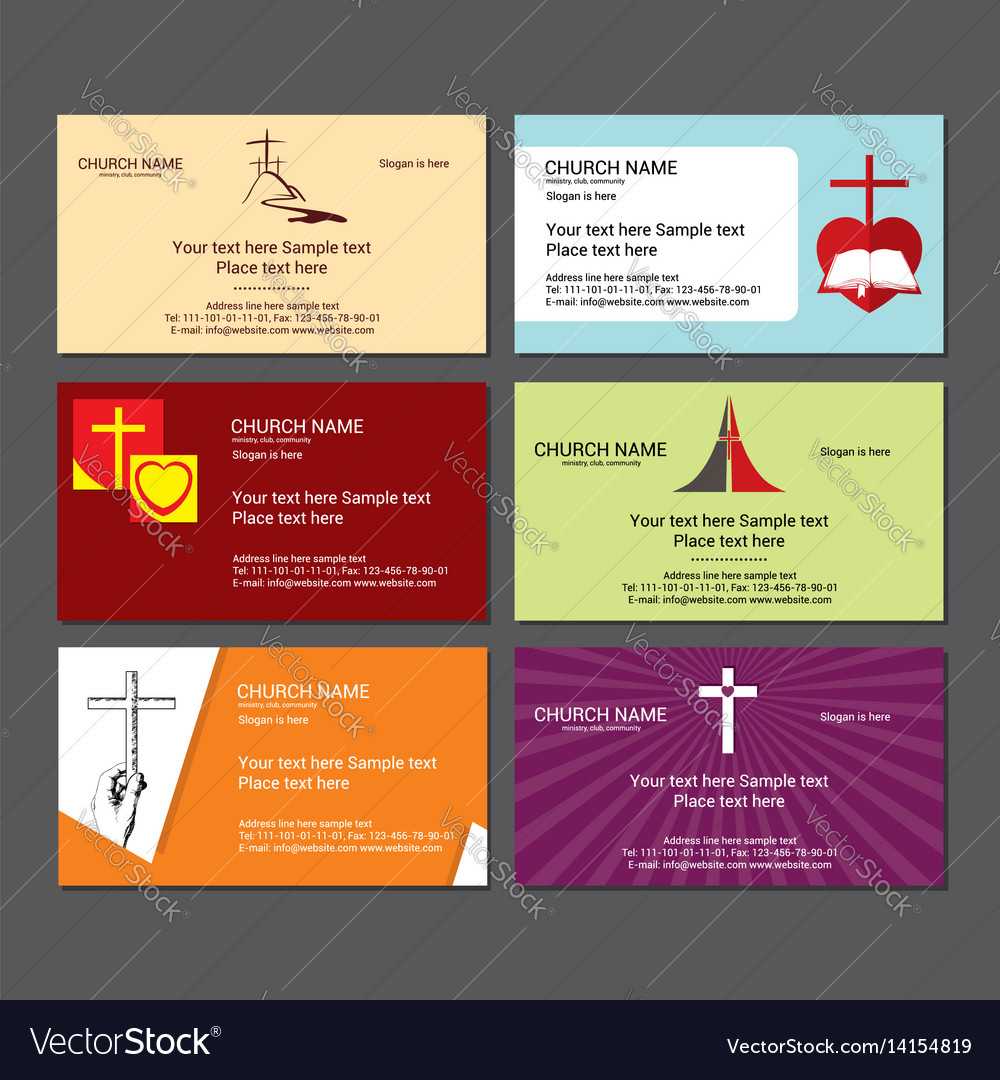
Start by filling in your church’s name and logo. If you don’t have a logo yet, consider using a simple cross symbol or a dove, as these are widely recognized symbols of Christianity.
Next, include essential contact details. This might consist of:
- Address of your church
- Phone number
- Email address
- Website URL
Think about adding a tagline that encapsulates your church’s mission. For instance, “A Community of Faith and Love” or “Serving Together in Christ.” This small addition can make a significant impact.
Design Elements
While the template provides a solid foundation, consider tweaking the color scheme to fit your church’s branding. If your church has specific colors, incorporate those into the design. You can also adjust the font style; perhaps using a more traditional serif font for a classic look or a sans-serif for modern appeal.
Printing Options
Once you’ve customized your card, it’s time to think about printing. You have a couple of options here:
- Home Printing: If you’re looking for a quick solution, consider printing from home. Using high-quality cardstock can enhance the durability and feel of your cards. Most home printers can handle cardstock, but ensure you check your printer settings to avoid any mishaps.
- Professional Printing: If you want a polished finish, a professional printing service might be the way to go. They can offer various paper types, including glossy or matte finishes, which can elevate the overall look of your card.
When printing, remember that standard business card paper is typically 80 lb or heavier. This ensures that your cards feel substantial and won’t easily bend or tear.
Using the Business Cards Effectively
Now that you have your Christian church business card ready, it’s essential to use them effectively. Here are two practical ways to distribute your cards:
- Community Events: Whenever your church hosts or participates in community events, make sure to have your business cards on hand. This is a great way to introduce newcomers to your congregation and provide them with essential information about your church.
- Networking: Encourage your church members to carry these cards and share them with friends, family, or anyone interested in learning more about your church. This grassroots approach can lead to meaningful connections and growth within your community.
Christian Church Business Card Free Google Docs Template Gallery